
Now Reading: Best Korean Serum for Acne Prone Skin in 2026
- 01
Best Korean Serum for Acne Prone Skin in 2026

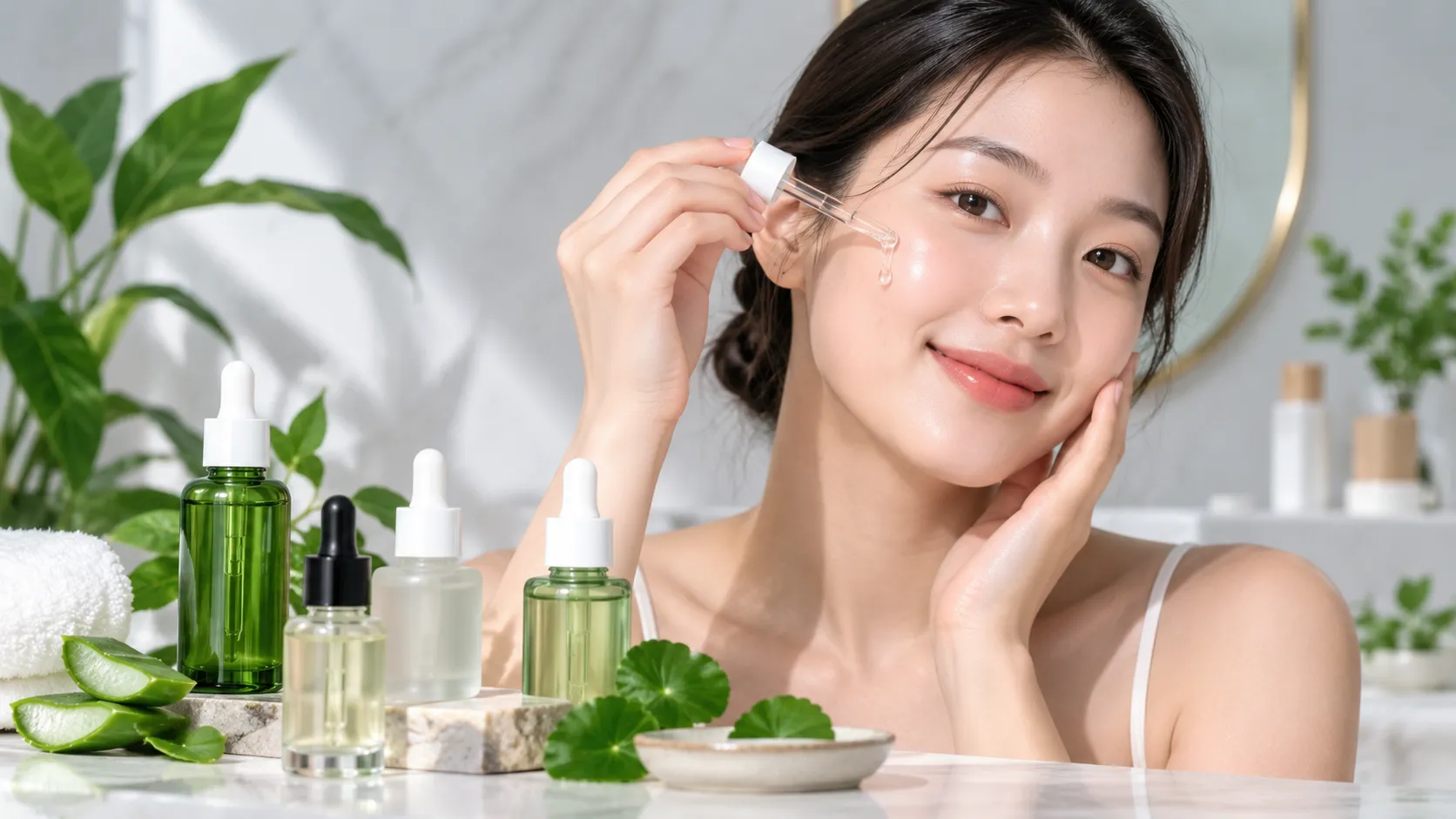
If you struggle with breakouts, excess oil, and stubborn acne, finding the right Korean serum for acne prone skin can transform your routine. Korean skincare has built a reputation for gentle yet effective formulas that address specific skin concerns without harsh irritation. For those dealing with acne, the key lies in choosing serums packed with targeted ingredients, lightweight textures, and non-comedogenic formulations that won’t clog pores or trigger new breakouts.
This guide walks you through everything you need to know about selecting Korean serums specifically designed for acne-prone and oily skin, from powerhouse ingredients to textures that work best, so you can build a routine that calms inflammation, controls oil, and supports clearer skin.
Understanding Acne-Prone Skin Needs
Acne-prone skin isn’t just about visible breakouts. It often comes with excess sebum production, inflammation, clogged pores, and sensitivity to certain ingredients. Many people with acne also experience post-inflammatory hyperpigmentation (dark spots left behind after a pimple heals) and a weakened skin barrier from over-exfoliation or harsh treatments.
Korean serums approach acne differently than traditional Western spot treatments. Instead of relying solely on strong actives that can dry out the skin, Korean acne serum formulas tend to balance hydration with oil control, calming inflammation while delivering ingredients that prevent future breakouts. This holistic approach helps maintain a healthy skin barrier, which is crucial for long-term acne management.
When choosing a serum, look for products labeled non-comedogenic, oil-free, or specifically formulated for oily and acne-prone skin. These serums are designed to absorb quickly without leaving a greasy residue or contributing to clogged pores.
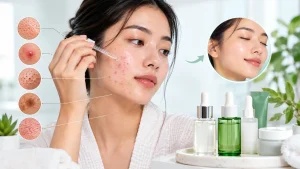
Key Ingredients for Acne in Korean Serums
The ingredients in your serum matter just as much as the brand. Here are the most effective acne-fighting ingredients commonly found in Korean skincare:
- Tea Tree Oil: A natural antibacterial and anti-inflammatory ingredient that helps reduce acne-causing bacteria and calm redness. Look for tea tree serum Korean formulas with 1-5% concentration for effectiveness without irritation.
- Centella Asiatica (Cica): Known for its soothing and healing properties, centella reduces inflammation, speeds up healing of active breakouts, and helps fade acne scars. It’s gentle enough for sensitive acne-prone skin.
- Niacinamide: A multitasking vitamin B3 that regulates sebum production, minimizes pores, fades hyperpigmentation, and strengthens the skin barrier. Concentrations of 5-10% are ideal for acne-prone skin.
- Salicylic Acid (BHA): A beta hydroxy acid that penetrates deep into pores to dissolve oil and debris, preventing blackheads and whiteheads. Salicylic acid Korean skincare products typically use 0.5-2% concentrations.
- Green Tea Extract: Rich in antioxidants and anti-inflammatory compounds, green tea soothes irritated skin and helps control oil production.
- Propolis: A bee-derived ingredient with antibacterial and healing properties that calms inflammation and supports skin repair without clogging pores.
When browsing Best Korean Serums on Amazon for Glowing Skin, check ingredient lists carefully to ensure the serum contains at least one or two of these acne-fighting actives.
Ingredients to Avoid If You Have Breakouts
Just as important as knowing what to look for is understanding what to avoid. Certain ingredients can trigger breakouts or worsen existing acne, especially if your skin is sensitive or already inflamed:
- Heavy Oils: Coconut oil, palm oil, and other thick oils are highly comedogenic and can clog pores. Stick to lightweight oils like squalane or jojoba if your serum contains any oil at all.
- Silicones: While not inherently bad, some silicones (like dimethicone) can trap oil and bacteria in pores if not properly removed during cleansing.
- Alcohol Denat: High concentrations of drying alcohols can strip the skin barrier, leading to increased oil production and irritation.
- Synthetic Fragrances: Added fragrance can irritate sensitive acne-prone skin and trigger inflammation.
- Algae and Seaweed Extracts: Some algae derivatives are comedogenic and may contribute to clogged pores in acne-prone individuals.
Reading labels and researching ingredients before purchasing can save you from products that may make your acne worse.
Lightweight Textures vs Heavy Serums
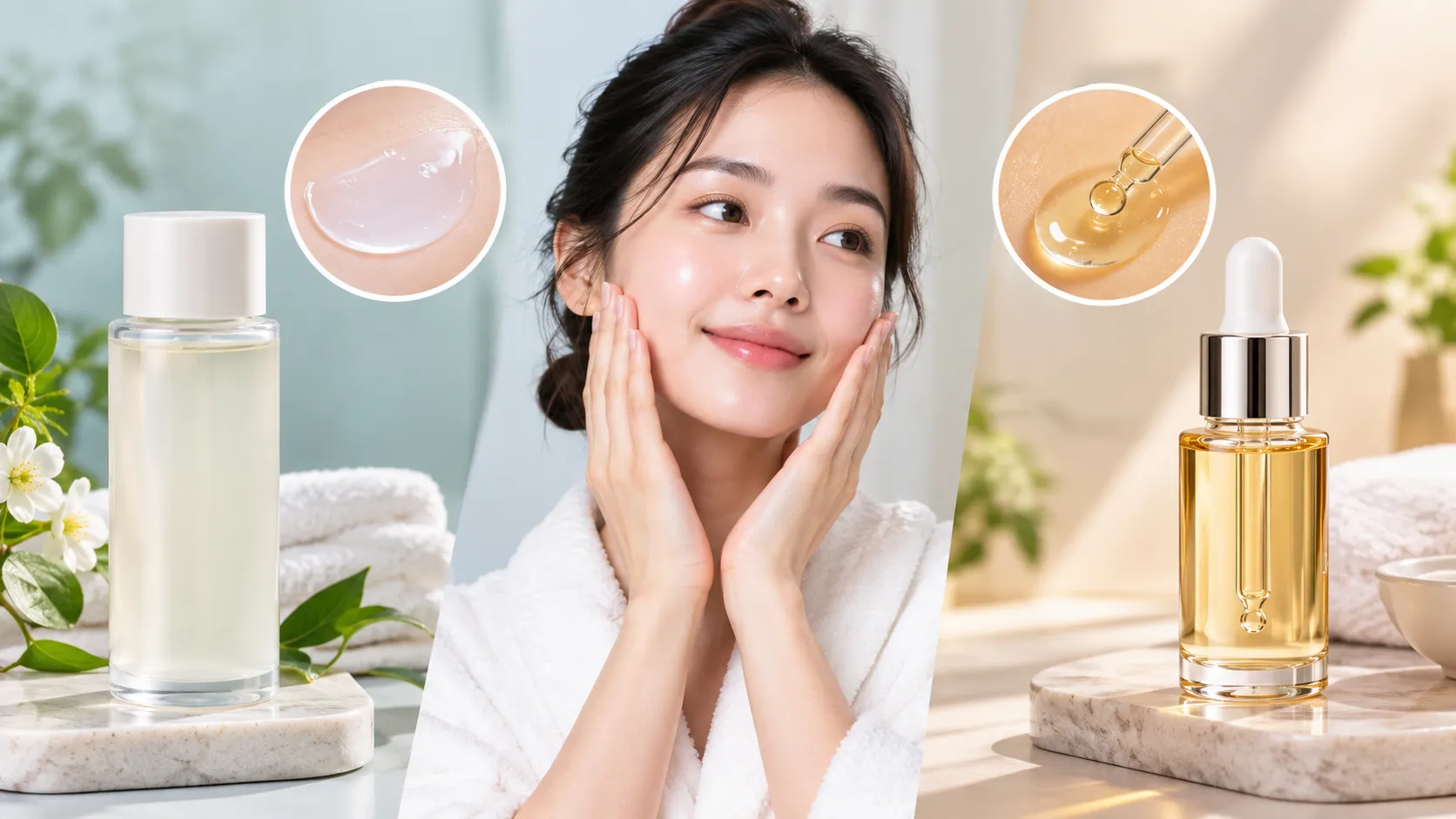
Texture plays a huge role in how well a serum works for acne-prone skin. Heavy, creamy serums can sit on the skin’s surface and contribute to clogged pores, while lightweight Korean serums for oily skin absorb quickly and layer well under other products.
Look for serums with a watery, gel, or essence-like consistency. These formulas deliver active ingredients deep into the skin without leaving a sticky or greasy finish. Korean serums that don’t clog pores typically have a thin, fast-absorbing texture that allows your skin to breathe.
If a serum feels heavy or takes more than a minute to absorb, it may not be the best choice for oily or acne-prone skin. Lightweight textures also make it easier to layer multiple products without overloading your skin, which is essential in a multi-step Korean skincare routine.
Tea Tree and Centella for Calming Active Acne
When dealing with active breakouts, inflammation control is critical. Both tea tree and centella are standout ingredients for calming angry, red pimples without over-drying the skin.
Tea tree oil works by targeting acne-causing bacteria (Cutibacterium acnes) while reducing redness and swelling. Korean brands often blend tea tree with hydrating ingredients like hyaluronic acid to prevent the dryness that pure tea tree oil can cause.
Centella asiatica, often labeled as cica, madecassoside, or asiaticoside, soothes irritation and promotes faster healing. It’s particularly effective for sensitive acne-prone skin that reacts negatively to stronger actives. Many Korean serums combine both tea tree and centella for a powerful yet gentle anti-acne effect.
If you’re asking will Korean serums make my acne worse, the answer depends on the formula. Serums featuring tea tree and centella are generally safe and calming, especially if they’re free from heavy oils and comedogenic fillers.
Niacinamide for Oil Control and Pore Minimizing
Niacinamide is one of the most versatile ingredients in Korean skincare, especially for those with oily, acne-prone skin. It works on multiple fronts: regulating sebum production, reducing the appearance of enlarged pores, fading post-acne dark spots, and strengthening the skin barrier.
Serums for oily skin often feature niacinamide at 5-10% concentration. At this level, it effectively controls shine and prevents new breakouts without irritation. Niacinamide also plays well with other actives like salicylic acid and retinol, making it easy to incorporate into a layered routine.
For best results, apply a niacinamide serum after cleansing and toning, then follow with a lightweight moisturizer. Consistent use over several weeks can lead to visibly smaller pores and a more balanced, matte complexion. Explore the K-Beauty category for more niacinamide-rich product recommendations.
BHA and AHA in Korean Serum Formulations
Chemical exfoliants like beta hydroxy acids (BHA) and alpha hydroxy acids (AHA) are common in Korean acne treatments, though they’re typically used at gentler concentrations than Western counterparts.
BHA, specifically salicylic acid, is oil-soluble and penetrates deep into pores to clear out sebum and dead skin cells. It’s the go-to exfoliant for blackheads, whiteheads, and congested skin. Korean salicylic acid Korean skincare serums often come in 0.5-2% strengths, which are effective yet less likely to cause dryness or peeling.
AHA (glycolic acid, lactic acid, mandelic acid) works on the skin’s surface to remove dead cells and improve texture. While AHA is excellent for post-acne marks and dullness, it’s less effective for deep pore congestion than BHA. Some Korean serums combine both AHA and BHA for balanced exfoliation.
If you’re new to chemical exfoliants, start with a low-concentration BHA serum two to three times per week, gradually increasing frequency as your skin builds tolerance. Always follow with sunscreen during the day, as exfoliating acids increase sun sensitivity.
How to Introduce New Serums Without Purging
One of the biggest concerns when starting a new acne serum is purging, a temporary increase in breakouts as the skin adjusts to active ingredients. Purging is most common with exfoliating actives like BHA, AHA, and retinoids, which accelerate cell turnover and bring underlying clogs to the surface faster.
To minimize purging and avoid overwhelming your skin, follow these steps:
- Patch Test: Apply a small amount of serum to your inner arm or behind your ear for 24 hours to check for irritation or allergic reactions.
- Start Slowly: Use the serum once every two to three nights for the first week, then gradually increase frequency as tolerated.
- Introduce One Product at a Time: Don’t start multiple new serums or actives at once. Wait at least two weeks before adding another new product.
- Support Your Skin Barrier: Pair active serums with hydrating, soothing products like centella toners or ceramide moisturizers to prevent irritation.
- Be Patient: Purging typically lasts two to six weeks. If breakouts worsen beyond this period or appear in areas where you don’t normally break out, the product may not be right for you.
If you’re concerned about trying a best Korean serum for hormonal acne, consider starting with gentler ingredients like niacinamide or centella before moving to stronger exfoliants.
Building Your Acne-Fighting Routine
A well-rounded routine for acne-prone skin should balance active treatments with hydration and barrier support. Here’s a simple framework:
- Morning: Gentle cleanser, hydrating toner, niacinamide or centella serum, lightweight moisturizer, SPF 30 or higher.
- Evening: Oil cleanser (if wearing makeup/sunscreen), water-based cleanser, exfoliating toner or BHA serum (2-3 times per week), treatment serum (tea tree, niacinamide, or centella), moisturizer, spot treatment if needed.
Non comedogenic Korean serum formulas are designed to layer without pilling or clogging pores, so don’t be afraid to combine a hydrating serum with an active treatment serum as long as you introduce them gradually.
If you’re exploring luxury options, check out Sulwhasoo Korean Skincare for premium formulas that blend traditional herbal ingredients with modern acne-fighting technology.
Final Thoughts
Choosing the right Korean serum for acne prone skin comes down to understanding your skin’s unique needs and selecting formulas with proven ingredients like tea tree, centella, niacinamide, and BHA. Lightweight textures, non-comedogenic formulations, and a patient, gradual approach to introducing new products will help you achieve clearer, healthier skin without unnecessary irritation.
Whether you’re dealing with occasional breakouts or persistent hormonal acne, Korean skincare offers gentle yet effective solutions that prioritize long-term skin health over quick fixes. Start with one targeted serum, layer it into a balanced routine, and give your skin the time it needs to adjust and heal. For more trending product recommendations, visit the TikTok Favorite category to discover what’s working for others with similar skin concerns.