
Now Reading: Korean Serum vs Essence: Key Differences Explained
- 01
Korean Serum vs Essence: Key Differences Explained

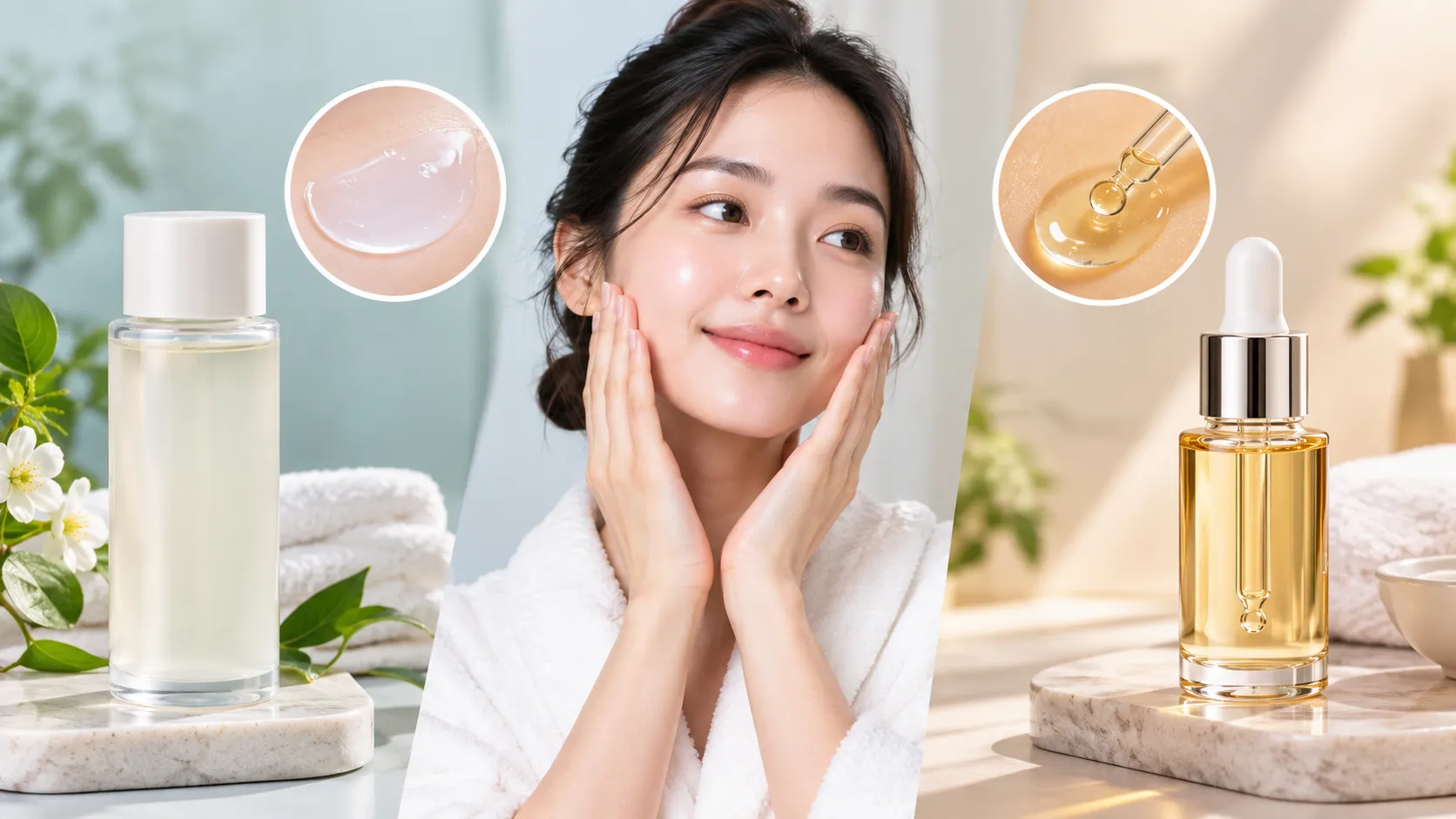
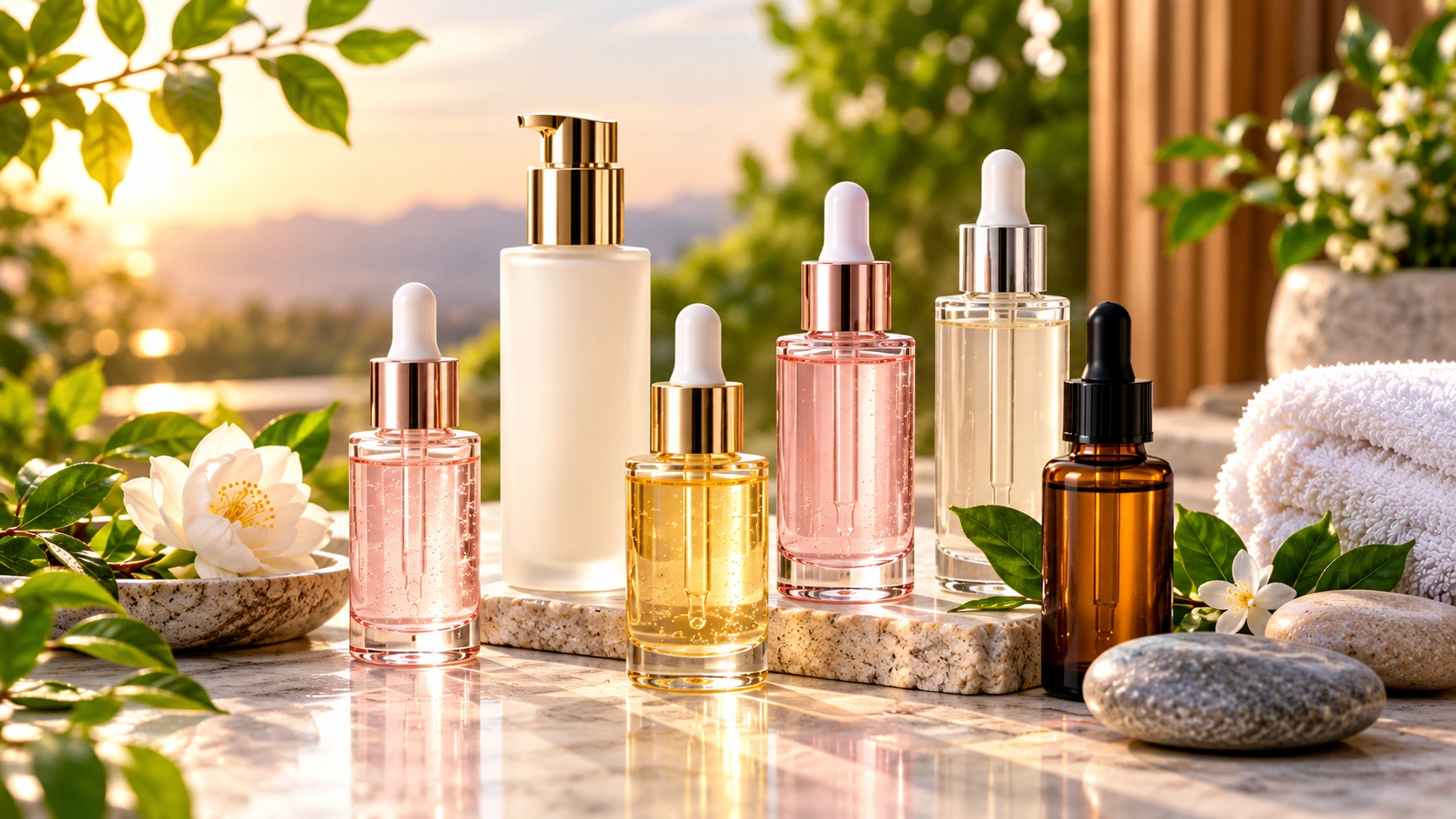
If you’ve ever stood in the skincare aisle or scrolled through K-Beauty products online, you’ve probably wondered: what exactly is the Korean serum vs essence difference? These two products look similar, are applied one after the other, and both promise glowing skin. Yet they’re distinct steps in the Korean skincare routine, each with its own role. Understanding the difference helps you build a routine that actually works for your skin, rather than layering products that overlap or conflict.
In this guide, we’ll break down what makes essences and serums unique, how they differ in texture and concentration, where each belongs in your routine, and whether you need both. By the end, you’ll know exactly which product (or products) to reach for based on your skin goals.
Defining Korean Essence in K-Beauty
In Korean skincare, an essence is a lightweight, watery product applied immediately after toner. It sits between the cleansing and treatment steps, designed to hydrate and prep the skin to absorb the active ingredients that come next. Think of essence as a foundation layer: it floods your skin with moisture and often contains gentle actives like fermented ingredients, hyaluronic acid, or niacinamide at lower concentrations.
What is Korean essence, really? It’s a category born from the K-beauty philosophy of layering hydration. Essences typically have a thin, almost water-like consistency that sinks in quickly. They’re formulated to improve skin texture, boost radiance, and create a hydrated canvas. Many cult-favorite Korean essences feature fermented extracts (galactomyces, bifida, rice) that gently brighten and refine pores over time.
Essences are considered a core step in the Glass Skin Secrets: The Korean Skincare Routine You Need to Try, where hydration and glow are built in multiple thin layers rather than one heavy cream.
What Makes a Serum Different from an Essence
A serum is a more concentrated treatment product. While essences focus on hydration and prep, serums target specific skin concerns with higher levels of active ingredients. Whether you’re dealing with dark spots, fine lines, acne, or dullness, there’s likely a serum formulated to address it.
Serums come in various textures (gel, liquid, oil-based), but they all share one trait: potency. The active ingredients in a serum (like vitamin C, retinol, peptides, or high-percentage niacinamide) are present at treatment-level concentrations. This makes serums the workhorses of your routine, delivering visible results over weeks of consistent use.
In the difference between toner essence serum hierarchy, the serum is the most targeted and powerful. It’s applied after essence, once your skin is hydrated and ready to absorb those actives efficiently. For a deep dive into top-performing serums, check out our guide to the Best Korean Serums on Amazon for Glowing Skin (2025).
Texture and Consistency Comparisons
One of the easiest ways to tell essence vs serum K-beauty products apart is by texture. Essences are almost always thin and watery. You can pat them on with your palms or press them in with a cotton pad, and they absorb within seconds, leaving no residue or tackiness.
Serums vary more. Some Korean serums are gel-like and lightweight, while others (especially oil-based or ampoule-style serums) feel richer and slightly thicker. A serum won’t feel heavy like a cream, but it’s denser than an essence. This difference in viscosity reflects the higher concentration of active ingredients: serums need that slightly thicker base to carry and stabilize potent actives.
When you layer both, the texture difference becomes helpful. The watery essence sinks in fast, prepping your skin. The serum follows, delivering its concentrated payload without slipping off or evaporating too quickly.
How Layering Order Affects Absorption
Korean skincare follows the rule of thinnest to thickest. Applying your essence first (the lighter product) ensures it penetrates fully. If you reversed the order and applied a thicker serum first, the watery essence would struggle to sink in and might just sit on the surface. Following the correct texture gradient maximizes the effectiveness of both products.
Concentration of Active Ingredients
This is where the Korean serum vs essence difference becomes most critical for results. Essences contain actives, but usually at gentle, maintenance levels. A niacinamide essence might have 2 to 5 percent niacinamide, enough to brighten and support barrier health without irritation.
Serums, on the other hand, pack higher percentages. A niacinamide serum could contain 10 percent or more. A vitamin C serum might deliver 15 to 20 percent ascorbic acid. Retinol, peptides, AHAs, and other potent actives are almost always found in serum form because essences aren’t designed to carry that level of concentration.
This concentration gap means essences are great for everyone, every day. Serums require more consideration: you choose a serum based on your specific skin concern, and you may rotate serums depending on your needs (brightening one week, anti-aging the next).
Where Each Fits in Your Skincare Routine
Understanding Korean skincare product order is essential to getting the best results. Here’s the standard sequence for the treatment steps:
- Cleanser (double cleanse at night: oil cleanser, then water-based cleanser)
- Toner (balances pH and adds a first layer of hydration)
- Essence (hydrates and preps skin for actives)
- Serum (delivers concentrated treatment ingredients)
- Moisturizer (seals everything in)
- Sunscreen (morning only, as the final step)
Which comes first essence or serum? Always essence. It’s lighter and prepares your skin. The serum follows to deliver targeted treatment. Skipping the essence won’t ruin your routine, but skipping the serum means you’re missing the most active, results-driven step.
For more context on how these steps fit into a complete regimen, explore the full K-Culture approach to skincare that emphasizes patience, layering, and long-term skin health.
Can You Use Both Essence and Serum Together
Yes, and in fact, that’s exactly how Korean skincare routines are designed. Can I use essence and serum together? Absolutely. They complement each other. The essence hydrates and prepares, the serum treats. Layering them maximizes the benefits of both without redundancy.
Do I need both essence and serum? It depends on your skin and goals. If you have dry or dehydrated skin and want that coveted dewy glow, an essence is nearly essential. If you have specific concerns like hyperpigmentation, fine lines, or acne, a targeted serum is where you’ll see real change. For most people, using both delivers the best results: hydration plus treatment.
If you’re new to K-beauty or on a budget, start with a serum that addresses your main concern. Once you see results, add an essence to boost hydration and glow. If your skin is already happy and you’re just maintaining, an essence alone might be enough.
Layering Tips for Beginners
Wait 30 to 60 seconds between each layer to let the product absorb. Pat, don’t rub. Start with small amounts (a few drops of essence, a pump or two of serum) and add more only if needed. Your skin should feel hydrated and slightly dewy, not sticky or greasy.
Choosing Between Essence and Serum for Your Skin Goals
Is Korean essence the same as serum? No. They serve different purposes. Here’s how to decide which one (or both) to prioritize based on your skin goals:
- For hydration and glow: Start with an essence. Look for ingredients like hyaluronic acid, glycerin, fermented extracts, or propolis.
- For anti-aging: Choose a serum with retinol, peptides, or adenosine. Layer it over an essence for best absorption.
- For brightening and dark spots: A vitamin C or niacinamide serum is your best bet. Pair it with a hydrating essence to prevent dryness.
- For acne or oil control: Look for serums with salicylic acid, tea tree, or centella. An essence with niacinamide can support barrier repair.
- For sensitive skin: Start with a soothing essence (centella, mugwort, snail mucin) and introduce a gentle serum slowly.
If you’re building a routine from scratch, the Korean skincare steps explained approach suggests starting simple: cleanser, essence, moisturizer, sunscreen. Once that feels comfortable, add a serum to target your main concern. Over time, you can layer multiple serums or rotate them by need.
Popular Korean Essence and Serum Pairings
Korean beauty enthusiasts often pair essences and serums strategically to amplify results. While specific product recommendations change yearly, here are classic pairing strategies that work in 2026:
- Hydration boost: A galactomyces or hyaluronic acid essence + a snail mucin or peptide serum for plump, dewy skin.
- Brightening power: A niacinamide essence + a vitamin C serum for radiance and even tone (apply vitamin C in the morning, niacinamide at night if you’re cautious, though most skin tolerates both together).
- Anti-aging combo: A fermented essence (like rice or bifida) + a retinol or adenosine serum for texture, firmness, and glow.
- Calming routine: A centella or mugwort essence + a barrier-repair serum with ceramides or panthenol for sensitive or reactive skin.
The key is balance: your essence provides hydration and prep, your serum provides targeted treatment. Together, they create a routine that’s both nourishing and effective. For more product ideas and reviews, visit our full collection of Korean beauty insights and recommendations.
Understanding the Korean serum vs essence difference empowers you to build a skincare routine that’s tailored, efficient, and results-driven. Essences hydrate and prep, serums treat and transform. Use them together for the best of both worlds, or choose the one that fits your skin’s immediate needs. Either way, you’re one step closer to that radiant, glass-skin glow Korean skincare is famous for.