
Now Reading: What Is Chuseok? How Korean Americans Celebrate in 2026
- 01
What Is Chuseok? How Korean Americans Celebrate in 2026


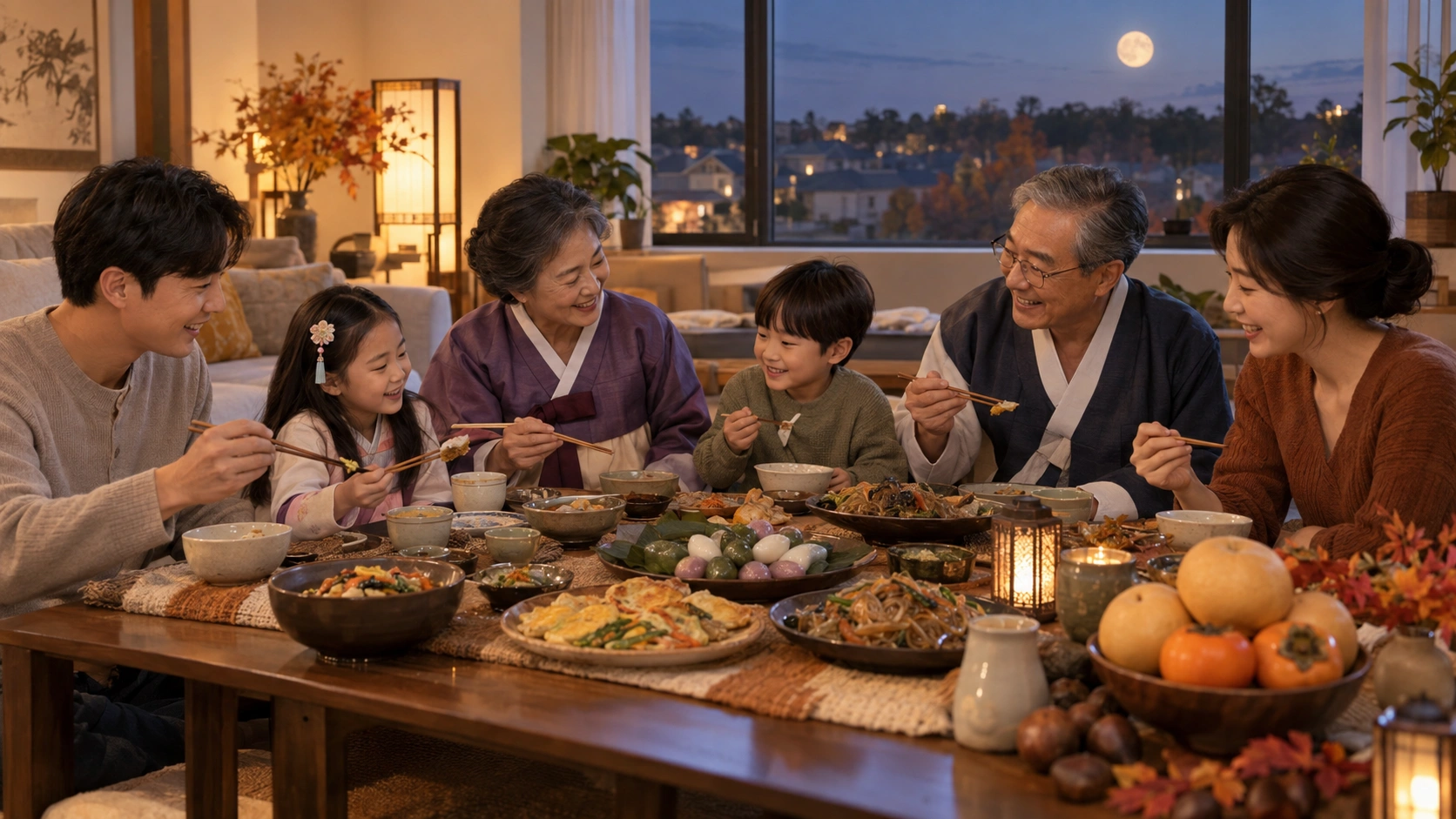
Chuseok, often called Korean Thanksgiving, is one of the most important traditional holidays in Korean culture. Celebrated on the 15th day of the 8th lunar month, Chuseok in 2026 falls on October 6th. For Korean Americans across the United States, this harvest festival represents a meaningful opportunity to honor their heritage, connect with family, and share Korean traditions with younger generations growing up between two cultures.
What Is Chuseok and Why Is It Celebrated?
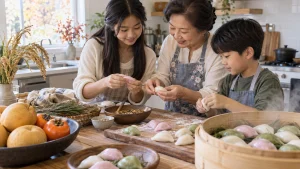
Chuseok is a three-day harvest festival with roots stretching back over 2,000 years to Korea’s agrarian past. Traditionally, families gathered to give thanks for the year’s harvest and to honor their ancestors through memorial ceremonies called charye. The holiday centers on gratitude, family unity, and remembrance.
The name Chuseok literally means “autumn evening,” reflecting the time of year when crops are harvested and the full moon shines brightest. In Korea, families travel from cities to their hometowns, creating one of the largest annual mass migrations in the world. For Korean Americans, Chuseok offers a similar chance to reunite with loved ones, though celebrations often blend traditional Korean customs with American lifestyles.
Traditional Chuseok Foods and Their Meanings
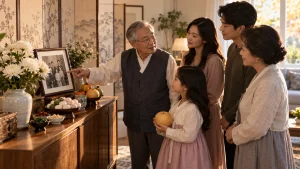
Food plays a central role in Chuseok celebrations, with each dish carrying cultural significance. Korean American families often spend days preparing these special foods together, passing down recipes and cooking techniques through generations.
Songpyeon: The Iconic Chuseok Rice Cake
Songpyeon are small, half-moon shaped rice cakes filled with sweetened sesame seeds, chestnuts, or red beans. Families gather to make these together, and there’s a traditional saying that whoever shapes the prettiest songpyeon will have a beautiful daughter or meet a good spouse. The cakes are steamed over pine needles, which gives them a distinctive fragrance.
Jeon: Korean Savory Pancakes
Various types of jeon (savory pancakes) appear on the Chuseok table, including pajeon (green onion pancakes), kimchijeon (kimchi pancakes), and hobakjeon (zucchini pancakes). These are pan-fried and served with a soy-based dipping sauce.
Japchae, Galbi, and More
Other essential dishes include japchae (stir-fried glass noodles with vegetables), galbi (marinated short ribs), and an array of fresh seasonal fruits. Korean Americans often incorporate these traditional foods alongside American dishes, creating fusion Chuseok feasts that reflect their bicultural identity. Many families source authentic ingredients from Korean grocery stores or K-Food specialty retailers.
How Korean Americans Celebrate Chuseok in 2026
Korean American Chuseok celebrations vary widely depending on family traditions, geographic location, and generational factors. Many first-generation immigrants maintain practices closely aligned with Korean customs, while second and third-generation Korean Americans often adapt traditions to fit their American context.
Family Gatherings and Ancestral Ceremonies
Despite busy American work schedules, many Korean American families prioritize gathering for Chuseok. Some perform charye, the traditional ancestral memorial ceremony, which involves arranging specific foods in a prescribed manner, bowing, and paying respects to deceased family members. These rituals help younger generations understand their family history and cultural roots.
Community Celebrations and Cultural Events
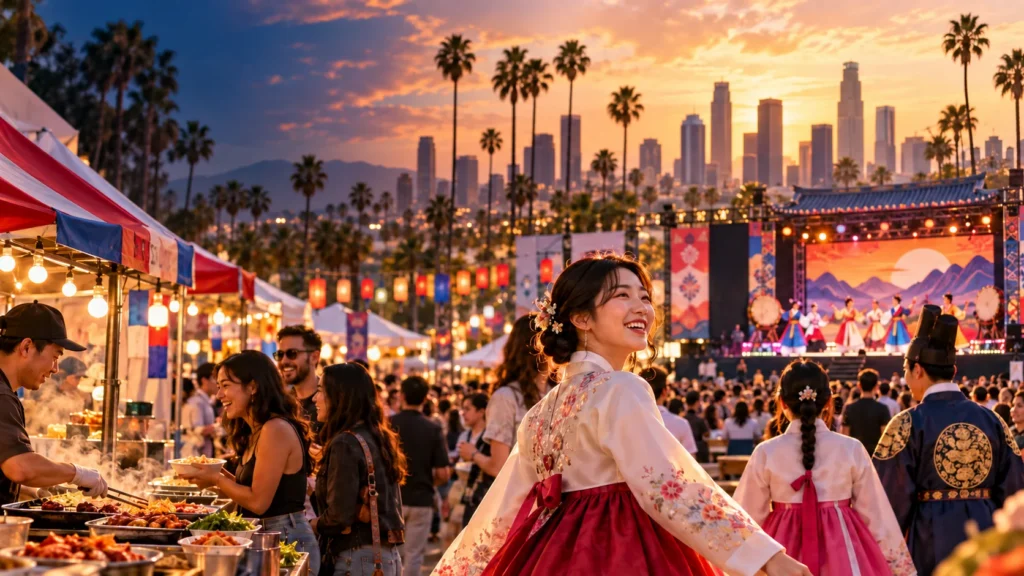
In cities with significant Korean American populations like Los Angeles, New York, and Chicago, community organizations and cultural centers host public Chuseok festivals. These events feature traditional music and dance performances, Korean games like yutnori (a board game played with wooden sticks), and opportunities to try Chuseok foods. Such gatherings help Korean Americans who live far from family still experience the holiday’s communal spirit.
Organizations promoting K-Culture throughout the United States often organize special Chuseok programming in September and October, making the holiday accessible to both Korean Americans and those interested in Korean traditions.
Modern Adaptations and Virtual Celebrations
Technology has transformed how Korean Americans celebrate Chuseok. Families separated by distance often connect via video calls to share meals virtually. Some order traditional Chuseok food boxes from Korean restaurants or online delivery services, while others post their celebrations on social media, creating digital communities around the holiday.
Younger Korean Americans are also creating new traditions, such as hosting “Friendsgiving”-style Chuseok gatherings with Korean American friends, or educating non-Korean partners and friends about the holiday’s significance.
The Cultural Significance of Chuseok for Korean Americans
For Korean Americans, Chuseok represents more than just a harvest festival. It serves as a vital link to Korean identity and heritage, especially for those born and raised in the United States. The holiday provides a structured opportunity to practice Korean language, learn about ancestors, and participate in rituals that connect them to thousands of years of Korean history.
Parents often view Chuseok as an educational moment to teach children about their dual heritage. Preparing traditional foods together, explaining the meanings behind customs, and sharing family stories all contribute to cultural transmission across generations.
The holiday also offers Korean Americans a moment to reflect on gratitude and family bonds, themes that resonate deeply within both Korean and American cultural values. This parallel makes Chuseok particularly meaningful for those navigating bicultural identities.
Chuseok vs American Thanksgiving: Similarities and Differences
Korean Americans often draw comparisons between Chuseok and American Thanksgiving, as both holidays center on gratitude, harvest, and family gatherings. However, key differences exist.
While American Thanksgiving focuses primarily on a shared meal, Chuseok incorporates ancestral memorial ceremonies and visits to family graves, reflecting Korean values around filial piety and honoring the deceased. The foods differ significantly, with Chuseok featuring rice cakes, Korean pancakes, and seasonal fruits rather than turkey and stuffing.
Some Korean American families celebrate both holidays with equal enthusiasm, viewing them as complementary rather than competing traditions. Others prioritize one over the other depending on their personal connection to Korean culture.
Planning Your Chuseok Celebration in 2026
If you’re a Korean American looking to celebrate Chuseok this year, or someone interested in participating in this beautiful tradition, here are some practical steps:
- Mark your calendar for October 6th, 2026, and consider taking time off work to fully participate in the three-day holiday period.
- Connect with family members to plan gatherings, whether in-person or virtual.
- Learn or review recipes for traditional Chuseok foods, and consider cooking alongside older relatives who can share techniques and stories.
- Check local Korean cultural centers or community organizations for public Chuseok events in your area.
- If you’re new to Chuseok traditions, reach out to Korean American friends or community groups who can guide you through the customs.
- Explore Korean culinary traditions like kimchi-making as part of your broader cultural learning.
Preserving Chuseok Traditions for Future Generations
As Korean Americans continue to grow in number and influence across the United States, preserving holidays like Chuseok becomes increasingly important for maintaining cultural continuity. Many third and fourth-generation Korean Americans report feeling disconnected from their heritage, making intentional celebration of traditional holidays crucial.
Documentation plays a key role in preservation. Families are encouraged to record recipes, take photos and videos of celebrations, and write down the stories and meanings behind traditions. These records become invaluable resources for younger generations seeking to reconnect with their roots.
Community involvement also strengthens tradition. By participating in public Chuseok events, supporting Korean cultural organizations, and sharing traditions with diverse friends and neighbors, Korean Americans help ensure that Chuseok remains a vibrant, living tradition rather than a fading memory.
Chuseok in 2026 represents not just a harvest festival but a powerful statement of cultural identity and family connection for Korean Americans across the United States. Whether celebrated through elaborate traditional ceremonies or simple family meals, this Korean Thanksgiving continues to bring people together in gratitude, remembrance, and hope for the future.