
Now Reading: Best Places to See Fall Foliage in Korea in 2026
- 01
Best Places to See Fall Foliage in Korea in 2026


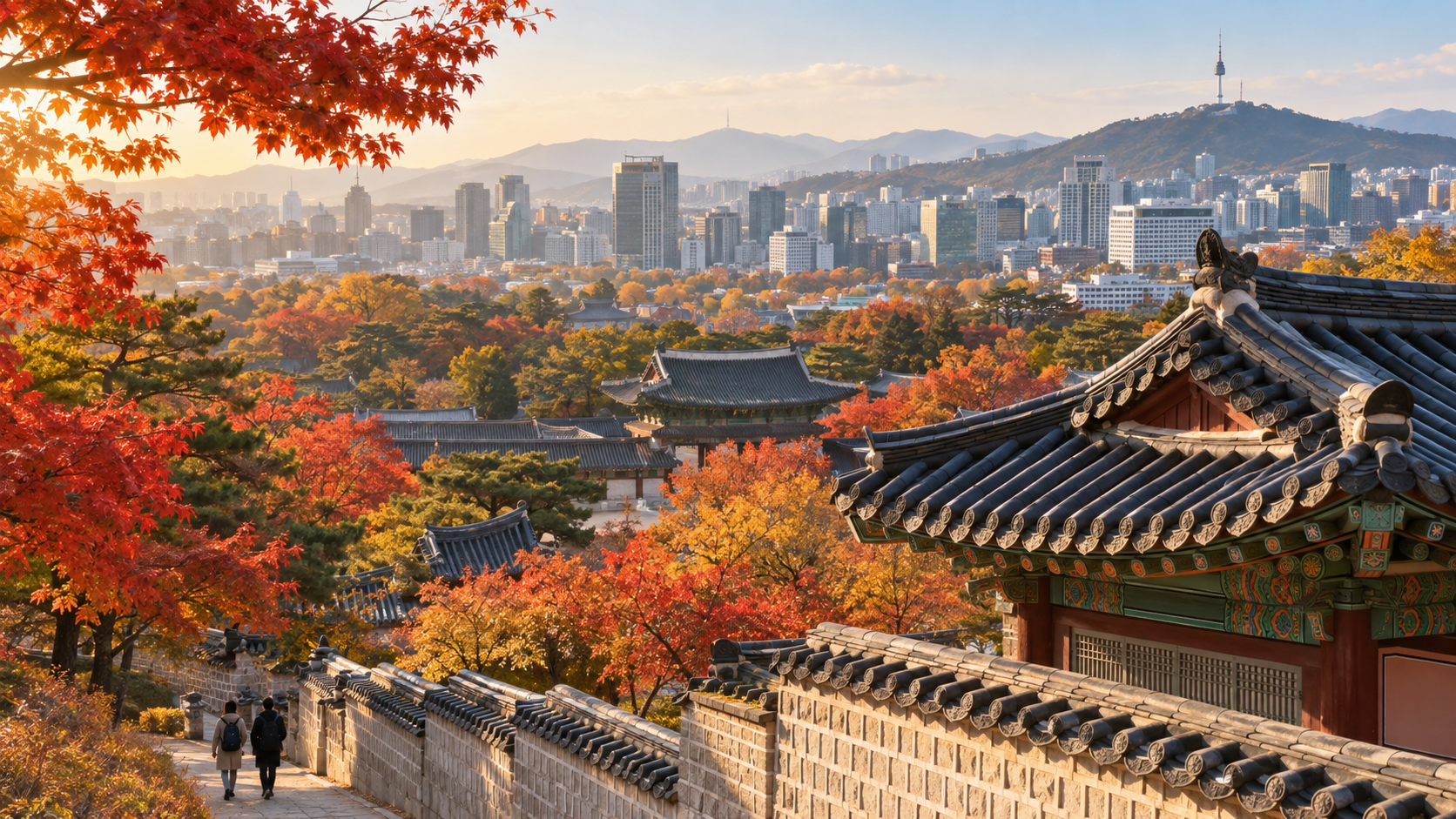
Korea transforms into a breathtaking canvas of reds, oranges, and yellows each autumn, making it one of the most spectacular destinations for fall foliage in the world. If you’re planning a trip from the United States in 2026, the best places to see fall foliage in Korea in 2026 offer a perfect blend of natural beauty, cultural experiences, and photo-worthy landscapes. The peak season typically runs from mid-October through early November, though timing varies by region and elevation.
This guide will help American travelers discover the most stunning autumn destinations across Korea, from mountain peaks to peaceful lakesides, along with practical tips for planning your fall foliage adventure.
Seoraksan National Park: Korea’s Premier Fall Destination
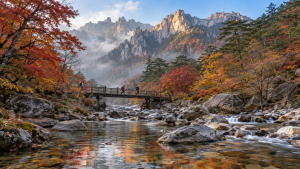
Located in Gangwon Province in northeastern Korea, Seoraksan National Park consistently ranks as the number one destination for fall foliage viewing. The park’s dramatic granite peaks create a stunning backdrop for the vibrant autumn colors that typically peak in mid to late October. The park covers over 150 square miles and features multiple hiking trails suitable for all fitness levels.
The Ulsanbawi Rock Trail offers one of the most rewarding hikes, with 808 steep steps leading to panoramic views of the entire park blanketed in fall colors. For a less strenuous option, take the cable car to Gwongeumseong Fortress for spectacular aerial views of the autumn landscape. The park’s location makes it easily accessible from Seoul, with express buses running regularly from the capital.
American visitors will find English signage throughout the park and should arrive early in the morning to avoid crowds, especially on weekends. The nearby town of Sokcho provides plenty of accommodation options and is famous for its seafood markets, where you can experience authentic Korean culture and cuisine.
Naejangsan National Park: The Maple Kingdom
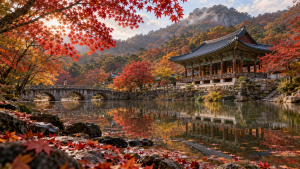
Naejangsan National Park in North Jeolla Province has earned its nickname as the “Maple Kingdom” thanks to its exceptional concentration of maple trees. The park reaches peak foliage typically in early November, slightly later than northern regions. The entrance road lined with maple trees creates a natural tunnel of red and orange that has become one of Korea’s most iconic autumn images.
The Naejangsa Temple, nestled within the park, provides a serene setting where traditional Korean architecture harmonizes with nature’s autumn display. The 4.5-mile circular trail around the main valley takes about three hours to complete and showcases the park’s best foliage viewpoints. Evening illumination events during peak season allow visitors to experience the fall colors under dramatic lighting.
Plan to spend a full day exploring Naejangsan, and consider staying in nearby Jeongeup City, which offers convenient access to the park and opportunities to explore traditional Korean markets and restaurants.
Nami Island: A Romantic Autumn Escape
Nami Island, famous as a filming location for the beloved K-drama “Winter Sonata,” transforms into an autumn wonderland each fall. Located about 63 miles east of Seoul in the middle of the Han River, this half-moon shaped island is accessible by ferry or zip-line. The island’s meticulously maintained tree-lined paths create picture-perfect settings, especially the Metasequoia Lane with its towering dawn redwoods.
Unlike mountainous destinations, Nami Island offers flat, easy walking paths ideal for leisurely strolls. The island typically sees peak colors in late October to early November. Beyond foliage viewing, visitors can rent bicycles, enjoy outdoor sculptures, and experience Korean local culture at various art installations and cafes scattered across the island.
The island attracts many international visitors, so English-speaking staff and signage are readily available. Purchase your ferry tickets in advance during peak season, and consider visiting on weekdays to avoid the heaviest crowds. The nearby city of Chuncheon is known for dakgalbi (spicy stir-fried chicken), making it a perfect culinary stop after your island visit.
Bukhansan National Park: Seoul’s Autumn Gem
For travelers based in Seoul who want to experience fall foliage without traveling far, Bukhansan National Park offers spectacular autumn scenery within the city limits. This massive urban park features granite peaks, ancient temples, and dense forests that burst into color each October. The park’s proximity to Seoul makes it perfect for a day trip, with multiple entrance points accessible by subway.
The Baegundae Peak trail, though challenging, rewards hikers with 360-degree views of Seoul surrounded by autumn-colored mountains. For an easier option, the trail to Bukhansanseong Fortress provides historical interest alongside natural beauty. The park receives heavy foot traffic, especially during peak foliage season and weekends, so starting your hike early is essential.
The park’s accessibility and infrastructure make it particularly foreigner-friendly, with clear trail markers and information centers. Combine your visit with nearby attractions like the traditional Bukchon Hanok Village to experience both nature and culture in one day.
Jirisan National Park: Korea’s Largest Mountain Paradise
Jirisan National Park spans three provinces in southern Korea and is the country’s largest mountain national park. Its vast size means extended foliage viewing periods, with higher elevations peaking in mid-October and lower areas showing colors into early November. The park’s Nogodan and Banyabong peaks offer some of Korea’s most expansive mountain views draped in autumn colors.
The park features over 17 hiking trails ranging from easy walks to multi-day treks. The Piagol Valley is particularly famous for its fall foliage, with maple and oak trees creating a colorful valley floor. Traditional temple stays are available at Hwaeomsa Temple within the park, offering a unique opportunity to experience Buddhist culture while surrounded by autumn beauty.
Due to the park’s size and remote location, research your chosen trail carefully and check weather conditions before visiting. The nearest cities, Gurye and Namwon, provide accommodation and transportation options.
Odaesan National Park: Peaceful Mountain Retreat
Less crowded than Seoraksan but equally beautiful, Odaesan National Park in Gangwon Province offers a more peaceful fall foliage experience. The park is home to Woljeongsa Temple, one of Korea’s most important Buddhist temples, where ancient fir trees contrast beautifully with autumn maples. The foliage typically peaks in mid to late October.
The Sogeumgang area within the park features valley trails alongside streams, where water reflects the autumn colors for stunning photographic opportunities. The relatively moderate hiking trails make Odaesan accessible for most fitness levels. The park’s higher elevation means cooler temperatures, so bring layers even during the day.
Pyeongchang, host of the 2018 Winter Olympics, is nearby and offers modern amenities and accommodations. The region is also known for buckwheat dishes and mountain herbs, providing unique culinary experiences.
Planning Your 2026 Fall Foliage Trip to Korea
American travelers planning to visit Korea for fall foliage in 2026 should book flights and accommodations well in advance, as autumn is peak tourist season. U.S. passport holders can enter Korea visa-free for stays up to 90 days. The immigration process is straightforward, though requirements should be confirmed before travel.
The ideal time frame for viewing fall foliage across Korea is late October to early November, though monitoring foliage forecasts (available from the Korea Tourism Organization starting in September) will help you time your trip perfectly. Weather during autumn is generally mild and dry, with daytime temperatures ranging from 50 to 65 degrees Fahrenheit, though mountain areas are cooler.
Transportation within Korea is efficient and English-friendly. The KTX high-speed rail connects major cities, while express buses serve national parks and smaller destinations. Consider purchasing a Korea Rail Pass if you plan to visit multiple regions. Many national parks offer shuttle buses from nearby cities during peak foliage season.
What to Pack and Practical Tips
Layer your clothing for variable mountain weather, including a waterproof jacket for unexpected rain. Comfortable hiking shoes with good traction are essential for mountain trails, which can be steep and rocky. Bring a reusable water bottle, as refill stations are common at Korean national parks, supporting environmental sustainability.
Most major tourist areas accept credit cards, but carry some Korean won (KRW) for small purchases at mountain areas and rural locations. ATMs are widely available in cities. Download translation apps and the Kakao Metro app for navigating Seoul’s subway system, though many signs include English.
Korean national parks charge small entrance fees (typically 2,000 to 5,000 KRW, about $1.50 to $4 USD) and some require advance reservations during peak season to manage visitor numbers. Check individual park websites before your visit. Respect trail closures and designated areas, as Korea takes environmental conservation seriously.
Photography enthusiasts should bring extra batteries and memory cards, as the stunning scenery will fill your camera quickly. Early morning light provides the best conditions for capturing fall colors, and weekday visits offer less crowded compositions.
Experiencing Korean Culture During Autumn
Fall foliage season coincides with several Korean cultural events and harvest festivals. The Andong Mask Dance Festival typically occurs in late September to early October, while various regions host chrysanthemum festivals throughout autumn. These events provide opportunities to experience traditional Korean performing arts, crafts, and seasonal foods.
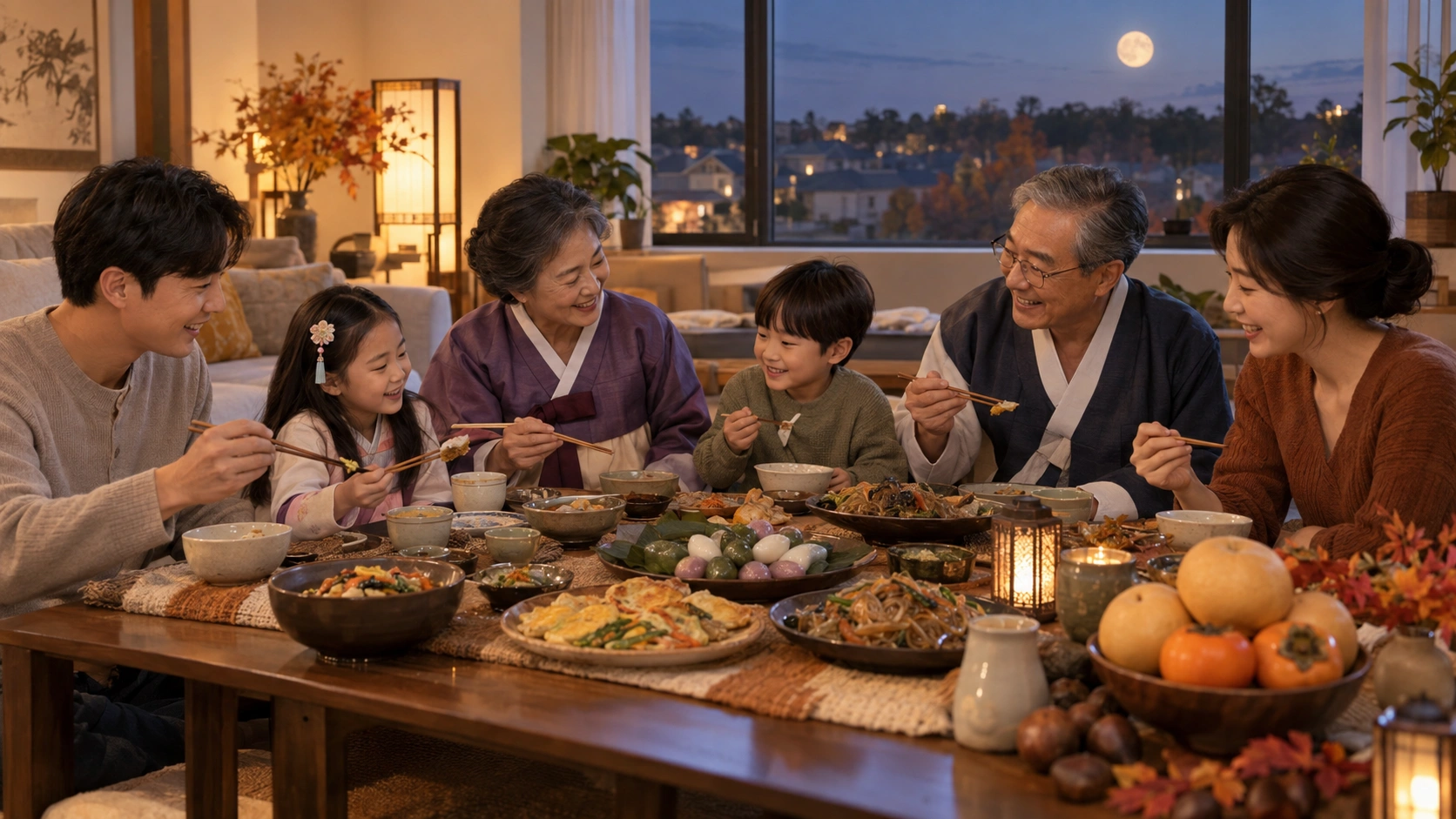
Autumn is also an excellent time to explore Korean cuisine, with seasonal specialties like roasted chestnuts, sweet potatoes, and persimmons widely available. Traditional markets near national parks often sell sanjeok (grilled skewers) and hotteok (sweet pancakes) perfect for refueling after a hike. Don’t miss the chance to try seasonal temple food if you visit Buddhist temples during your foliage tour.
The best places to see fall foliage in Korea in 2026 offer American travelers an unforgettable combination of natural beauty, outdoor adventure, and cultural immersion. Whether you prefer the dramatic peaks of Seoraksan, the maple tunnels of Naejangsan, or the accessible beauty of Seoul’s Bukhansan, Korea’s autumn landscape provides experiences that will stay with you long after the leaves have fallen. Start planning your trip now to ensure you don’t miss this spectacular seasonal display.