
Now Reading: Korean Serum Ingredients for Skin That Actually Work
- 01
Korean Serum Ingredients for Skin That Actually Work


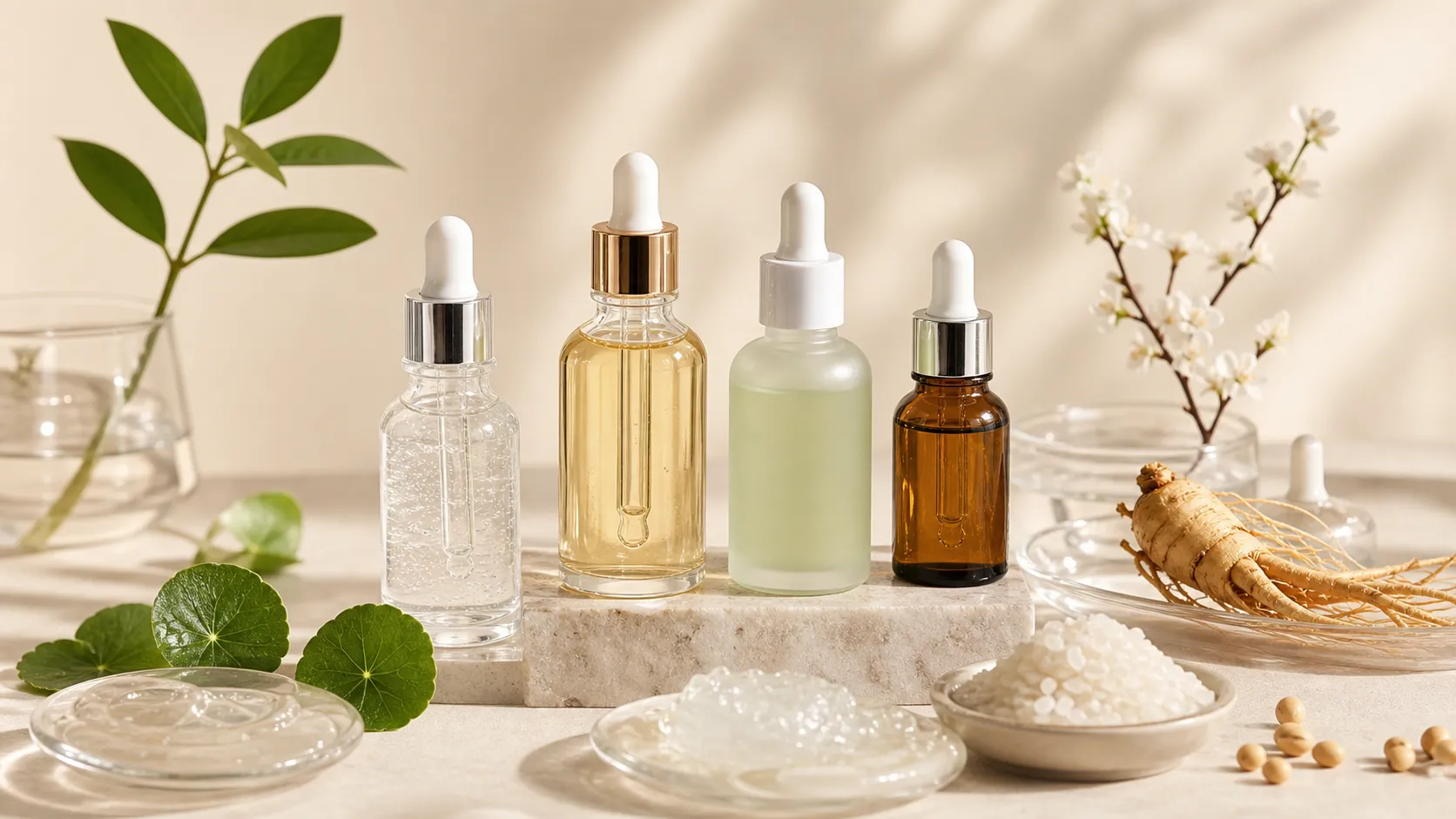
Korean serums have transformed the skincare landscape with their innovative, results-driven formulations. Unlike traditional Western serums that often rely on a single hero ingredient, Korean serum ingredients for skin work synergistically to address multiple concerns at once. Understanding what makes these ingredients so effective can help you choose the right products for your unique skin needs and unlock the radiant, healthy complexion you’ve been searching for.
Whether you’re dealing with acne, hyperpigmentation, fine lines, or sensitive skin, Korean beauty brands have perfected the art of combining time-tested natural extracts with cutting-edge science. Let’s explore the key ingredients that make Korean serums on Amazon some of the most sought-after skincare products in the United States.
Understanding Active Ingredients in Korean Serums
Korean serums are concentrated treatments designed to deliver high levels of active ingredients deep into the skin. What sets them apart is the philosophy of layering lightweight, fast-absorbing formulas that work together rather than relying on one heavy product.
The best Korean serum actives are carefully selected based on both traditional Korean herbal medicine (hanbang) and modern dermatological research. These formulations typically feature lower percentages of actives compared to Western counterparts, making them gentler yet still effective through consistent use. This approach minimizes irritation while maximizing long-term benefits.
When you’re evaluating what ingredients to look for in Korean serums, consider your primary skin concerns. Most K-beauty serums combine hydration, brightening, and soothing properties as a foundation, then add targeted actives for specific issues like acne or aging.
Snail Mucin: The Hydration Powerhouse
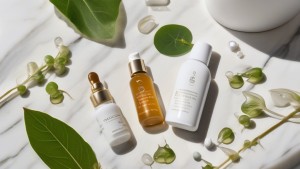
Snail mucin benefits have made this ingredient one of the most iconic in Korean skincare. Snail secretion filtrate contains a natural complex of glycoproteins, hyaluronic acid, glycolic acid, and zinc that work together to hydrate, repair, and protect skin.
This ingredient gained popularity because it addresses multiple concerns simultaneously. It provides intense moisture retention, accelerates wound healing (perfect for acne marks), stimulates collagen production, and creates a protective barrier against environmental damage. Despite initial skepticism about the source, snail mucin is now a staple in many American skincare routines.
Best for: dehydrated skin, acne scarring, fine lines, and dullness. Snail mucin is generally safe for all skin types, including sensitive skin, because it’s naturally soothing and non-irritating.
How Snail Mucin Works
The mucin is harvested humanely (snails are placed on mesh surfaces where they naturally secrete the substance) and then filtered for use in cosmetics. The glycoproteins in snail mucin help maintain skin elasticity, while the natural allantoin soothes irritation and promotes cell regeneration.
Centella Asiatica for Sensitive and Irritated Skin
Centella asiatica for skin, also known as cica or tiger grass, has been used in traditional Korean medicine for centuries. This herb is packed with madecassoside, asiaticoside, and other compounds that calm inflammation, strengthen the skin barrier, and promote healing.
Korean serums featuring centella are particularly valuable for those with sensitive, rosacea-prone, or compromised skin barriers. The ingredient doesn’t just mask redness; it actively repairs damage and prevents future irritation by reinforcing your skin’s natural defenses.
Best for: redness, sensitivity, post-procedure healing, and acne-prone skin that reacts badly to harsh treatments. Centella works well layered with other actives because it reduces the potential for irritation.
Why Centella Is Essential in K-Beauty
The Korean climate, with its harsh winters and humid summers, creates stress on skin barriers. Centella-based products became popular as a way to maintain healthy skin year-round. In the U.S., where environmental stressors like pollution and dry indoor heating take their toll, centella offers similar protective benefits.
Niacinamide: Brightening and Pore-Refining Benefits
Niacinamide Korean skincare formulations are legendary for good reason. This form of vitamin B3 is one of the most versatile and well-researched ingredients in dermatology, addressing everything from hyperpigmentation to enlarged pores to oil production.
Korean brands typically use niacinamide in concentrations between 2% and 5%, which provides visible results without the irritation that can occur at higher percentages. This ingredient inhibits melanin transfer to skin cells, reducing dark spots and evening out skin tone. It also regulates sebum production, making it ideal for combination and oily skin types.
Best for: dark spots, uneven tone, large pores, fine lines, and oily or acne-prone skin. Niacinamide is suitable for nearly all skin types and plays well with most other ingredients, though some prefer to avoid using it with pure vitamin C in the same routine (though this concern is often overstated).
The Science Behind Niacinamide
Niacinamide strengthens the skin barrier by increasing ceramide production, improves texture by boosting collagen synthesis, and has anti-inflammatory properties that calm active breakouts. Its multitasking nature makes it a cornerstone ingredient in many K-Beauty routines.
Propolis and Honey Extract for Glow and Healing
Propolis serum benefits center on its powerful antioxidant, antibacterial, and anti-inflammatory properties. Propolis is a resinous substance that bees create to protect their hives, and it’s rich in flavonoids and phenolic acids that protect and heal skin.
Korean serums featuring propolis or honey extract deliver a natural glow while actively fighting acne-causing bacteria and soothing irritation. These ingredients are particularly valued for their ability to improve skin texture and radiance without being heavy or pore-clogging.
Best for: acne-prone skin, dull complexion, uneven texture, and anyone seeking that coveted honey-skin glow. Propolis is gentle enough for sensitive skin but powerful enough to show results quickly.
Traditional Roots of Propolis in Korean Skincare
Honey and bee-derived ingredients have been used in Korean traditional medicine for their healing properties. Modern formulations concentrate these benefits into lightweight serums that absorb quickly and layer beautifully under makeup.
Hyaluronic Acid in Korean Formulations
While hyaluronic acid isn’t exclusive to Korean skincare, the way K-beauty brands formulate it sets their products apart. Korean serums often use multiple molecular weights of hyaluronic acid to hydrate different layers of the skin simultaneously.
Low molecular weight HA penetrates deeper to plump from within, while high molecular weight HA sits on the surface to lock in moisture and create a smooth, dewy finish. This multi-layered approach prevents the tight, dry feeling that can sometimes occur with single-weight formulations in low-humidity environments.
Best for: all skin types, especially dehydrated, mature, or flaky skin. Hyaluronic acid is a hydration essential that works synergistically with nearly every other Korean serum ingredient.
Maximizing Hyaluronic Acid Benefits
For best results, apply hyaluronic acid serums to damp skin and follow with a moisturizer to seal in the hydration. In dry climates like many U.S. regions, this step is crucial to prevent HA from drawing moisture out of your skin instead of into it.
Fermented Ingredients: K-Beauty’s Secret Weapon
Fermentation is perhaps Korea’s most distinctive contribution to modern skincare science. Fermented ingredients like galactomyces, bifida ferment lysate, and fermented rice water have smaller molecular structures that penetrate skin more effectively and deliver nutrients more efficiently.
The fermentation process also creates beneficial byproducts like amino acids, organic acids, and vitamins that aren’t present in the original ingredient. This makes fermented Korean serum ingredients particularly effective for anti-aging, brightening, and improving overall skin health.
Best for: dull, aging, or congested skin that needs a radiance boost and improved texture. Fermented ingredients are gentle yet powerful, making them suitable for most skin types.
The Fermentation Advantage
Korean beauty brands draw on centuries of fermentation expertise from traditional food preparation (kimchi, doenjang, makgeolli) and apply it to skincare. Products featuring galactomyces, for example, can visibly improve skin clarity and luminosity within weeks of consistent use.
Matching Ingredients to Your Skin Concerns
Understanding how Korean serum ingredients work helps you build a personalized routine that addresses your specific needs. Here’s a quick guide to the best Korean serum ingredients for common skin concerns:
Best Korean Serum Ingredients for Acne
- Centella asiatica to calm inflammation and heal active breakouts
- Propolis for antibacterial action and preventing future blemishes
- Niacinamide to regulate oil production and fade post-acne marks
- Snail mucin to repair acne scarring and maintain moisture without clogging pores
Korean Serum Ingredients for Anti Aging
- Snail mucin for collagen support and fine line reduction
- Fermented ingredients (galactomyces, bifida) for cellular renewal and radiance
- Niacinamide to improve skin elasticity and texture
- Hyaluronic acid for deep hydration that plumps fine lines
For Hyperpigmentation and Uneven Tone
- Niacinamide to inhibit melanin transfer and brighten
- Fermented rice water or galactomyces for overall tone improvement
- Propolis for antioxidant protection against further damage
For Sensitive or Barrier-Compromised Skin
- Centella asiatica to repair and strengthen the barrier
- Hyaluronic acid for gentle, irritation-free hydration
- Snail mucin for soothing and healing
The beauty of Korean serums is that most formulations combine several of these ingredients, allowing you to address multiple concerns with a single product. When building your routine, start with the ingredients that target your primary concern, then layer in additional benefits as needed.
To achieve the flawless, dewy complexion that Korean skincare is famous for, pair these powerful ingredients with the right application techniques. Learn more about how to incorporate these serums into a complete regimen by exploring the glass skin Korean skincare routine that maximizes their benefits.
Whether you’re new to K-beauty or a seasoned enthusiast, understanding these Korean serum ingredients for skin empowers you to make informed choices and customize your routine for the best possible results. The combination of natural extracts, fermentation technology, and scientific actives continues to set Korean skincare apart as a global leader in effective, gentle, and innovative formulations.