
Now Reading: Best Places to See Fall Foliage in Korea 2026 Guide
- 01
Best Places to See Fall Foliage in Korea 2026 Guide


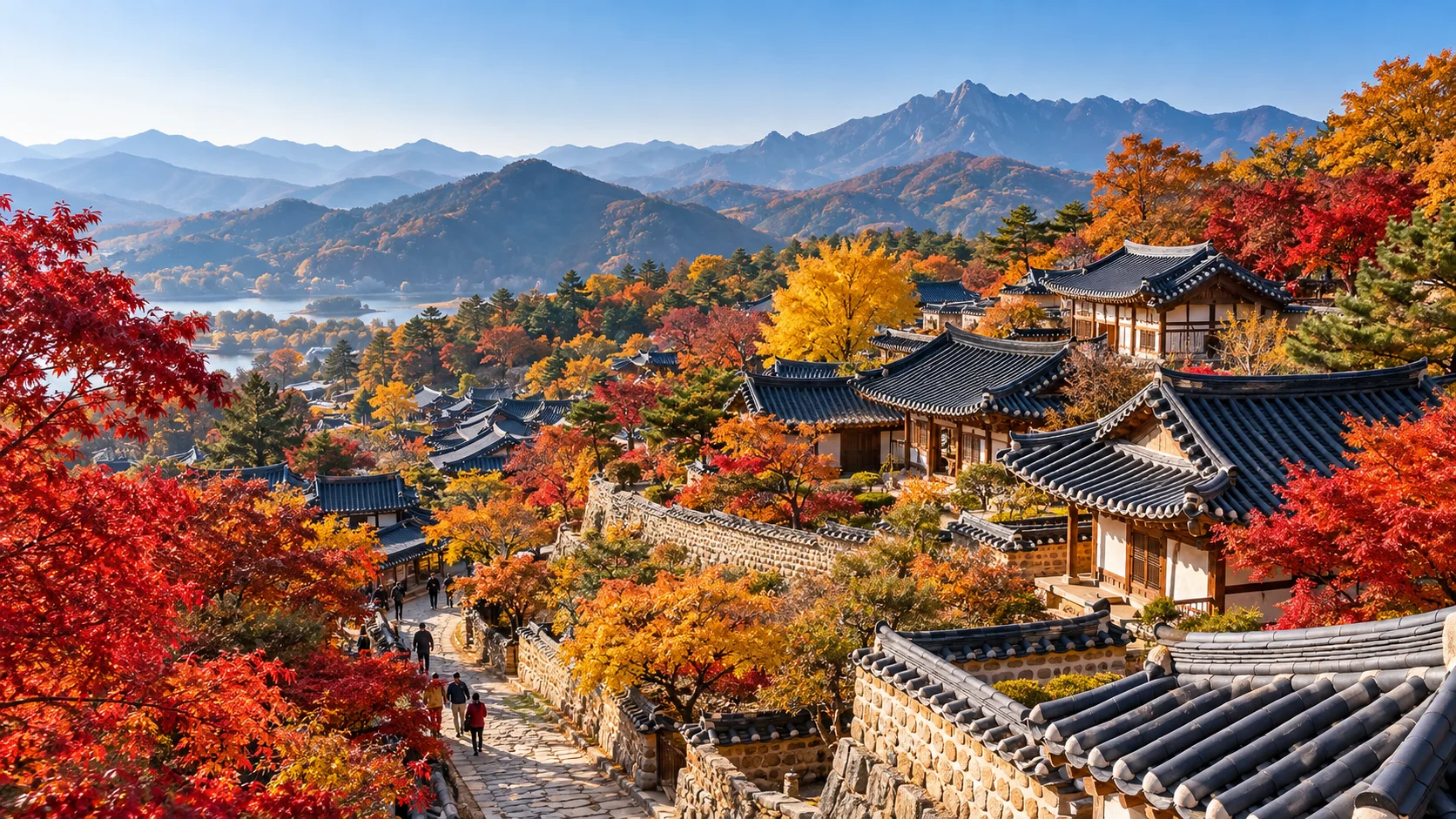
Planning a trip from the United States to experience Korea’s spectacular autumn colors in 2026? You’re in for an unforgettable visual treat. Korea’s fall foliage season, typically running from late September through early November, transforms the country into a breathtaking canvas of crimson, gold, and amber. This guide covers the best places to see fall foliage in Korea in 2026 for American travelers, including practical tips for timing your visit and navigating from the U.S.
Why Korea Is Perfect for Fall Foliage Viewing
Korea offers a unique combination of stunning natural landscapes and rich cultural heritage that makes autumn travel especially rewarding. The country’s mountainous terrain creates dramatic elevation changes that produce waves of color progressing from north to south. Unlike some destinations, Korea’s fall foliage spots are highly accessible via excellent public transportation, and many combine natural beauty with historic temples, palaces, and traditional villages.
For American travelers, Korea’s autumn season offers comfortable temperatures (typically 50-65°F or 10-18°C), making it ideal for outdoor exploration. The vibrant K-Culture scene also means you can pair foliage viewing with festivals, traditional performances, and seasonal cuisine experiences.
Best Places to See Fall Foliage in Korea in 2026
Seoraksan National Park (Gangwon Province)
Seoraksan is widely considered Korea’s premier fall foliage destination. Located in the northeast, this UNESCO Biosphere Reserve typically sees peak colors in early to mid-October. The park offers trails for all fitness levels, from the easy cable car ride to Gwongeumseong Fortress to challenging hikes up Daecheongbong Peak. The contrast of granite peaks, ancient temples, and fiery maples creates postcard-perfect scenes.
From Seoul, Seoraksan is about 3.5 hours by bus or car, making it feasible as a day trip or weekend excursion. Book accommodations in nearby Sokcho in advance, as this is peak season.
Naejangsan National Park (Jeollabuk-do)
Naejangsan National Park is famous for its tunnel of maple trees leading to Naejangsa Temple. Peak foliage here typically occurs in late October to early November, making it perfect for travelers visiting Korea later in the season. The park hosts an annual Autumn Foliage Festival featuring cultural performances and traditional food stalls.
The main trail to the temple is relatively easy and family-friendly, taking about 30 minutes one way. For more adventurous hikers, the ridge trail offers panoramic views of the surrounding valleys blanketed in autumn colors.
Gyeongbokgung Palace and Seoul’s Historic Sites
You don’t need to leave Seoul to experience beautiful fall foliage. Gyeongbokgung Palace, Changdeokgung Palace (especially the Secret Garden), and Deoksugung Palace all feature stunning ginkgo trees that turn brilliant gold in late October and early November. The contrast of traditional architecture against autumn leaves creates uniquely Korean photo opportunities.
Seoul’s palace neighborhoods also connect to popular cultural experiences, allowing you to explore K-Events and seasonal festivals happening throughout the city during autumn.
Nami Island (Gangwon Province)
This half-moon shaped island became internationally famous after appearing in the Korean drama “Winter Sonata,” but autumn is arguably its most beautiful season. The metasequoia tree lanes and ginkgo paths create cathedral-like canopies of gold and amber. Peak season runs from late October to mid-November.
Located about 90 minutes from Seoul, Nami Island makes an excellent day trip. Consider combining it with nearby attractions like Petite France or the Garden of Morning Calm for a full-day autumn experience.
Jirisan National Park (Southern Korea)
As Korea’s largest national park, Jirisan offers extensive hiking trails through diverse forest ecosystems. Fall colors typically peak in late October, starting at higher elevations and gradually descending. The park is home to several historic Buddhist temples, including Hwaeomsa and Ssanggyesa, which are particularly photogenic surrounded by autumn foliage.
Jirisan requires more time commitment due to its southern location and vast size, but it rewards visitors with fewer crowds than more accessible northern parks.
Timing Your 2026 Fall Foliage Trip from the U.S.
Fall foliage in Korea follows a predictable north-to-south progression. In 2026, expect these general timelines:
- Late September to early October: Northern regions (Seoraksan, high elevations)
- Mid to late October: Central regions (Seoul, Nami Island)
- Late October to mid-November: Southern regions (Naejangsan, Jirisan)
For American travelers planning international flights, targeting mid to late October typically offers the best combination of peak colors in multiple regions and pleasant weather. Book flights 2-3 months in advance for better rates, and remember that Korea is 13-16 hours ahead of U.S. time zones (depending on your departure city).
U.S. citizens can enter Korea visa-free for tourism stays up to 90 days, though you’ll need to complete a K-ETA (Korea Electronic Travel Authorization) online before departure. The process is straightforward and typically approved within 24 hours. For detailed guidance, check out this immigration and travel authorization guide which covers reciprocal travel requirements.
Practical Tips for American Travelers
Korea is exceptionally foreigner-friendly, but a few practical considerations will enhance your fall foliage experience. Public transportation is reliable and affordable, with the KTX high-speed rail connecting major cities and express buses reaching national parks. Purchase a T-money card for seamless travel on subways, buses, and even some taxis.
Most major tourist sites have English signage and information, though downloading a translation app is helpful in rural areas. Weather in autumn is generally stable, but pack layers as temperatures can vary significantly between morning and afternoon, and between lowland and mountain elevations.
October and early November are peak tourist seasons in Korea, both for international visitors and domestic travelers. Book accommodations near popular foliage spots well in advance, especially for weekends. Alternatively, stay in major cities like Seoul or Busan and take day trips to foliage destinations.
Combining Fall Foliage with Korean Cultural Experiences
One of the advantages of visiting Korea for fall foliage is the opportunity to immerse yourself in Korean culture simultaneously. Autumn coincides with several traditional festivals celebrating the harvest season. Temple stay programs offer unique overnight experiences at Buddhist temples surrounded by peak foliage, combining nature with meditation and cultural education.
Korean cuisine also celebrates autumn with seasonal specialties like chestnut rice, persimmons, and various mushroom dishes. Many restaurants near foliage destinations offer these seasonal menus, providing culinary experiences that complement the visual feast.
If you’re interested in the broader cultural landscape, Korea’s autumn season also features K-Pop concerts, film festivals, and art exhibitions in major cities, allowing you to balance outdoor adventures with urban cultural experiences.
Making the Most of Your 2026 Korea Autumn Adventure
The best places to see fall foliage in Korea in 2026 offer American travelers a perfect blend of natural beauty, cultural richness, and accessible adventure. Whether you’re hiking through Seoraksan’s dramatic peaks, strolling through Seoul’s palace gardens, or photographing the tree-lined paths of Nami Island, Korea’s autumn landscape delivers unforgettable experiences.
Start planning now by monitoring foliage forecast websites (the Korea Tourism Organization updates these regularly each fall), booking flights for mid to late October, and creating a flexible itinerary that allows you to chase peak colors across different regions. With proper planning and timing, your 2026 Korean autumn journey will reward you with some of the most spectacular fall scenery anywhere in the world.