
Now Reading: Korean Serum for Mature Skin: Anti-Aging Picks for 2026
- 01
Korean Serum for Mature Skin: Anti-Aging Picks for 2026

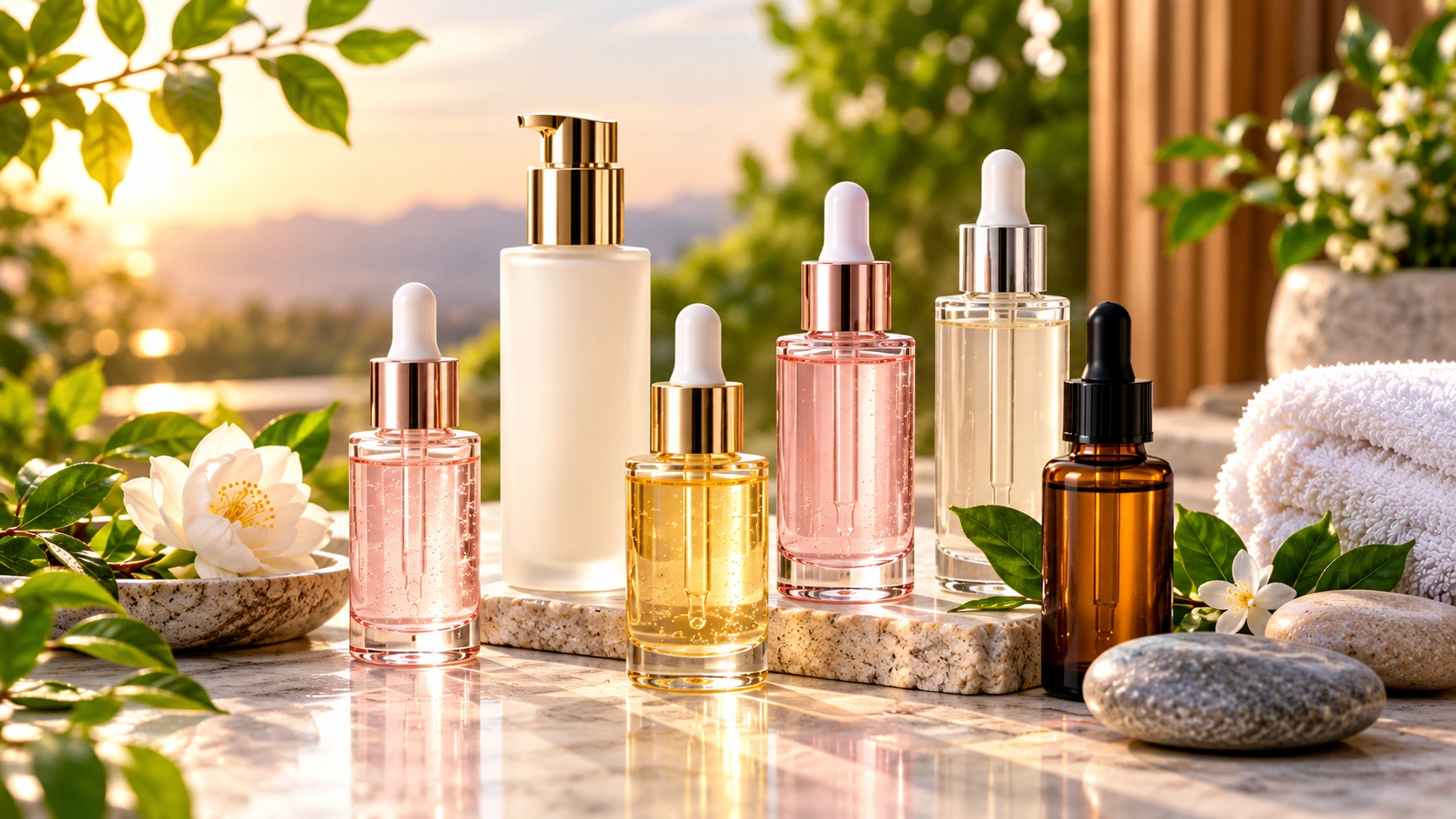
As skin matures, its needs shift dramatically. The Korean serum for mature skin landscape has evolved to address fine lines, loss of firmness, uneven tone, and diminished radiance with targeted, science-backed formulations. Unlike general hydrating serums, Korean anti aging serum products are built around powerhouse ingredients like peptides, fermented botanicals, and gentle retinol alternatives that respect aging skin’s delicate barrier while delivering visible results.
This guide explores what makes Korean serums uniquely effective for mature skin, the key ingredients to look for, and how to build a multi-serum routine that restores firmness, smooths wrinkles, and brings back your natural glow.
How Mature Skin Needs Differ from Younger Skin
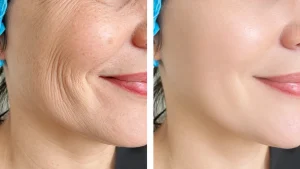
Mature skin produces less collagen and elastin, leading to thinner, more fragile skin that shows fine lines and sagging. Sebum production slows, leaving skin drier and more prone to irritation. Cell turnover decelerates, causing dullness and longer healing times. Sun damage accumulated over decades often surfaces as age spots and uneven pigmentation.
Korean skincare philosophy addresses these changes holistically. Rather than aggressive treatments that strip the skin, K-Beauty formulations focus on nourishing the barrier, boosting hydration from within, and using gentle but effective actives that work with your skin’s natural processes. The best Korean serum for over 50 will layer multiple benefits: hydration, barrier repair, brightening, and firming, often in a single lightweight product.
Mature skin also responds better to sustained, gentle treatment than harsh interventions. This is why Korean serums emphasize consistency and layering over high concentrations of single actives.
Peptides and Proteins in Korean Anti-Aging Serums
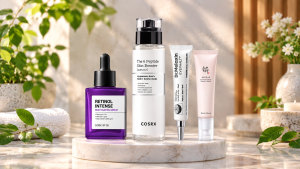
Peptides are short chains of amino acids that signal your skin to produce more collagen and elastin. Korean peptide serum formulations often combine multiple peptide types targeting different aging pathways: some stimulate collagen synthesis, others inhibit muscle contractions that deepen expression lines, and still others improve skin barrier integrity.
Look for serums featuring copper peptides, palmitoyl pentapeptide (Matrixyl), or acetyl hexapeptide (Argireline). These ingredients are supported by clinical research showing measurable improvements in wrinkle depth and skin firmness over 8 to 12 weeks of consistent use.
Korean brands excel at pairing peptides with hydrating humectants like hyaluronic acid and niacinamide, creating serums that plump the skin immediately while building long-term structural improvements. Unlike retinol, peptides cause no purging or sensitivity, making them ideal for mature, reactive skin.
Ginseng and Traditional Korean Botanicals
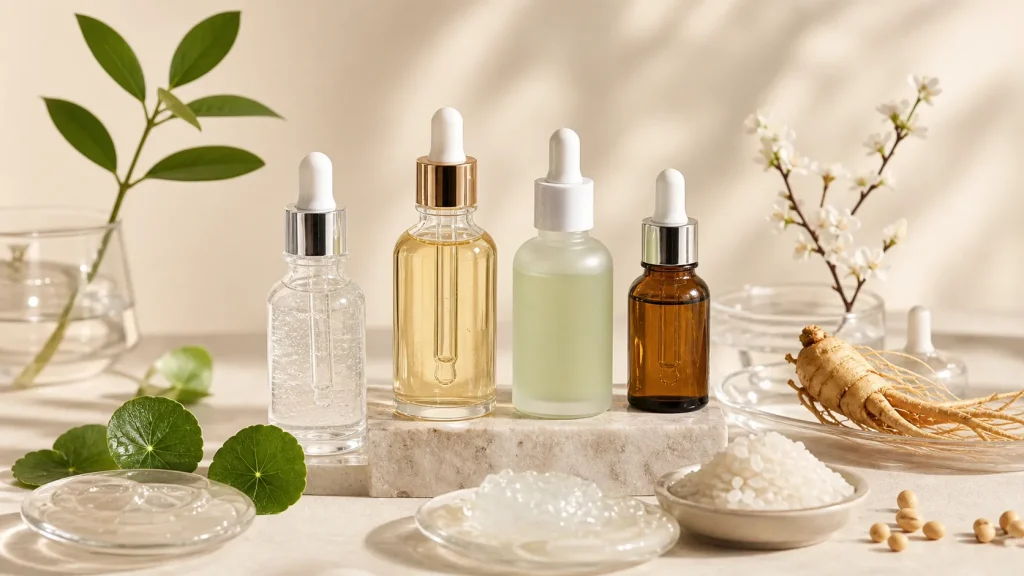
Ginseng serum for aging skin is a cornerstone of traditional Korean skincare, backed by both centuries of use and modern scientific validation. Korean red ginseng (Panax ginseng) is rich in ginsenosides, compounds that stimulate microcirculation, boost collagen production, and provide antioxidant protection against environmental stressors.
Other traditional botanicals frequently found in Korean anti-aging serums include goji berry extract (which protects against UV-induced aging), green tea (a potent antioxidant and anti-inflammatory), and Centella asiatica (which accelerates healing and strengthens capillaries).
Sulwhasoo: Korea’s Luxury Skincare Brand is renowned for its use of traditional Korean herbs, particularly ginseng, in luxury formulations that blend heritage with cutting-edge science. Their serums are especially favored by those seeking intensive anti-aging treatment rooted in Korean medicinal philosophy.
These botanicals work synergistically with modern actives, often enhancing their effectiveness while soothing and calming mature skin that might otherwise react to stronger treatments.
Retinol Alternatives in K-Beauty Formulations
Retinol remains the gold standard for anti-aging, but mature skin often struggles with its dryness, flaking, and irritation. Korean serums that replace retinol offer gentler pathways to similar results. Bakuchiol, a plant-derived retinol alternative, has gained significant traction in K-Beauty for its ability to stimulate collagen and reduce fine lines without sensitivity or photosensitivity.
Other effective Korean retinol alternatives include adenosine (approved by Korean authorities for wrinkle improvement), retinyl palmitate (a gentler retinoid ester), and sea fennel extract, which mimics retinol’s cellular benefits without the typical side effects.
For Korean serum for fine lines and wrinkles, look for formulations that combine these retinol alternatives with hydrating and barrier-supporting ingredients. This allows you to gain anti-aging benefits without compromising your skin’s comfort or resilience.
Hydration and Barrier Repair for Aging Skin
Dehydration exaggerates every sign of aging. Fine lines appear deeper, texture looks rougher, and skin loses its natural luminosity. Korean serums prioritize hydration not just at the surface but at multiple skin layers, using ingredients like hyaluronic acid in different molecular weights, beta-glucan, and sodium PCA.
Equally important is barrier repair. A compromised skin barrier leads to moisture loss, inflammation, and increased sensitivity. Korean anti-aging serums often include ceramides, cholesterol, and fatty acids that mimic the skin’s natural lipid structure, restoring its protective function.
Fermented ingredients, discussed in detail below, also play a crucial role in barrier health by delivering nutrients in forms that penetrate more easily and support the skin’s microbiome.
An anti aging Korean skincare routine for mature skin should always include at least one deeply hydrating serum layered under richer treatments for maximum moisture retention.
Brightening Serums for Age Spots and Hyperpigmentation
Age spots, sun damage, and post-inflammatory hyperpigmentation become more persistent as skin matures. Korean brightening serums use a multi-pronged approach: inhibiting melanin production, accelerating cell turnover, and providing antioxidant protection.
Key brightening ingredients in serums for wrinkles and pigmentation include niacinamide (vitamin B3), alpha-arbutin, licorice root extract, and vitamin C derivatives like ascorbyl glucoside (more stable and less irritating than pure L-ascorbic acid).
Korean formulations often layer these actives with hydrators and anti-inflammatories, preventing the dryness or irritation that can accompany aggressive brightening treatments. The result is a more even tone without compromising skin health.
For stubborn age spots, look for serums combining multiple brightening pathways. Consistency is key: visible fading typically takes 8 to 12 weeks of daily use.
Fermented Ingredients for Firmness and Elasticity
Fermentation is a hallmark of Korean skincare innovation. The process breaks down ingredients into smaller molecules that penetrate more deeply and are better absorbed by the skin. Fermented ingredients also generate beneficial byproducts like amino acids, enzymes, and probiotics that support skin health from multiple angles.
Fermented yeast extracts (such as Galactomyces and Saccharomyces), rice water, and soybean are common in Korean serums for mature skin. These ingredients improve hydration, brighten tone, refine texture, and over time, visibly improve skin firmness and elasticity.
Fermented botanicals are particularly gentle yet effective, making them ideal for mature skin that needs results without irritation. They also support the skin’s natural microbiome, which plays an increasingly recognized role in maintaining barrier health and preventing inflammation.
Building a Multi-Serum Routine for Mature Skin
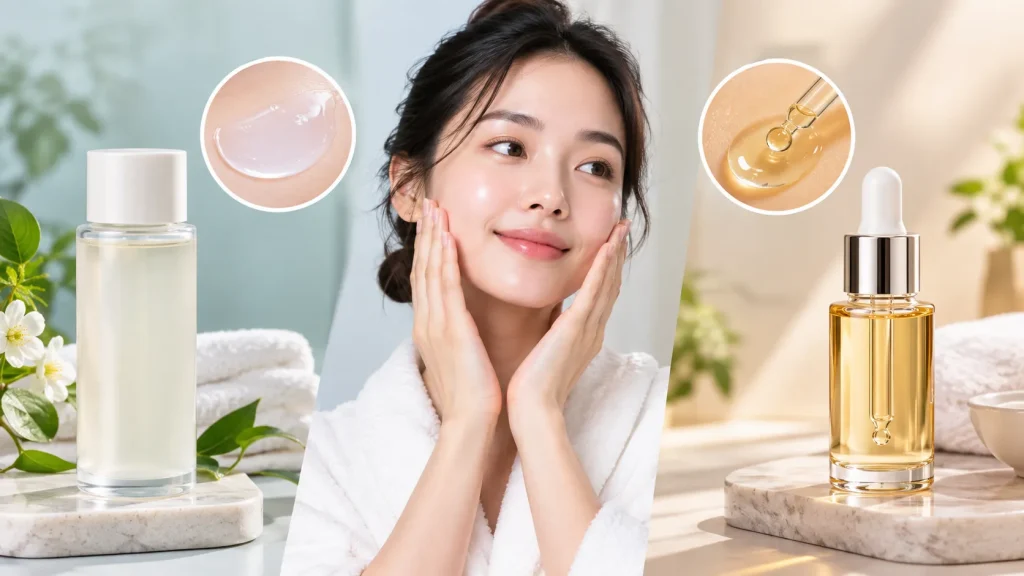
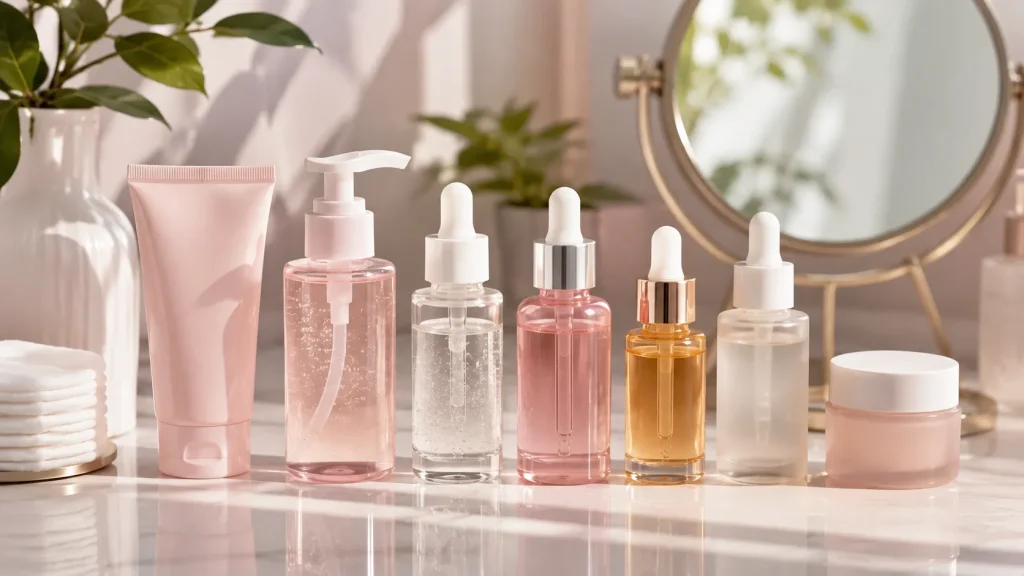
Mature skin thrives on layering multiple lightweight serums rather than relying on one heavy cream. A typical Korean multi-serum routine might include a hydrating essence, a peptide or ginseng serum for firmness, a brightening serum for pigmentation, and a nourishing oil or ampoule as the final step before moisturizer.
The key is to apply serums from thinnest to thickest consistency, allowing each to absorb fully before adding the next. This method maximizes penetration and ensures each active reaches its target layer in the skin.
Morning routines should emphasize hydration, antioxidant protection, and brightening. Evening routines can layer richer repair serums, peptides, and retinol alternatives that work overnight. Always finish with SPF during the day, as mature skin is more vulnerable to UV damage.
If you are new to Korean skincare, Best Korean Serums on Amazon for Glowing Skin offers a comprehensive introduction to top-rated serums available for easy purchase, many of which are suitable for mature skin concerns.
Start with two or three serums targeting your primary concerns, then expand as your skin adapts. Patch-test new products, introduce them one at a time, and give each at least four weeks to show results before deciding whether to keep it in your routine.
For those interested in exploring the broader world of Korean beauty innovation, the K-Beauty category is a valuable resource for discovering trends, product launches, and expert recommendations tailored to U.S. consumers.
With the right combination of Korean anti aging serum products, mature skin can reclaim firmness, smoothness, and radiance. The secret lies in consistency, gentle layering, and choosing formulations that respect your skin’s unique needs while delivering clinically proven results.