

Now Reading: Samsung Galaxy S26 Review: Features, Price and Who Should Buy
- 01
Samsung Galaxy S26 Review: Features, Price and Who Should Buy


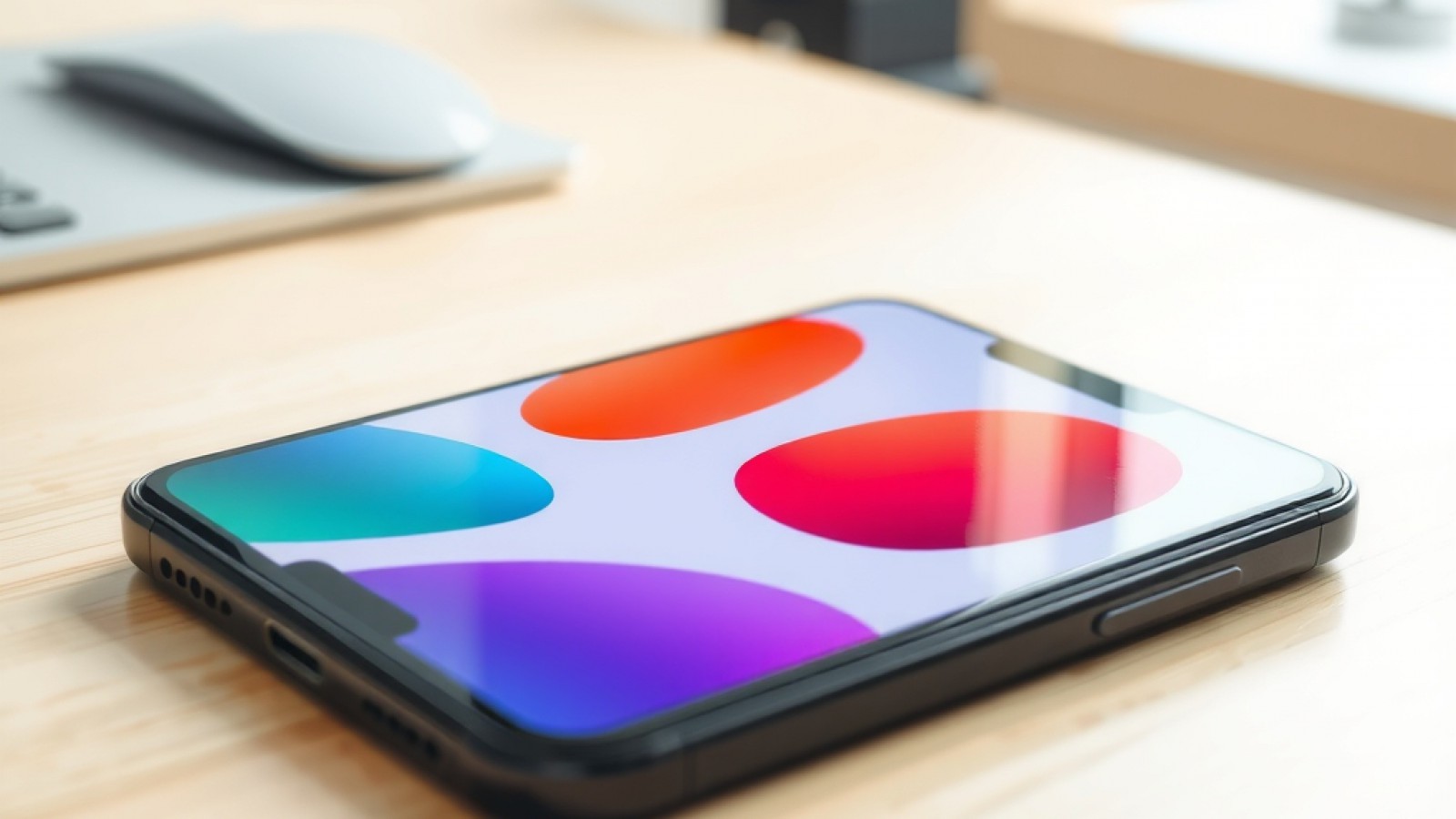
Samsung Galaxy S26 Review: Galaxy S26 at a Glance
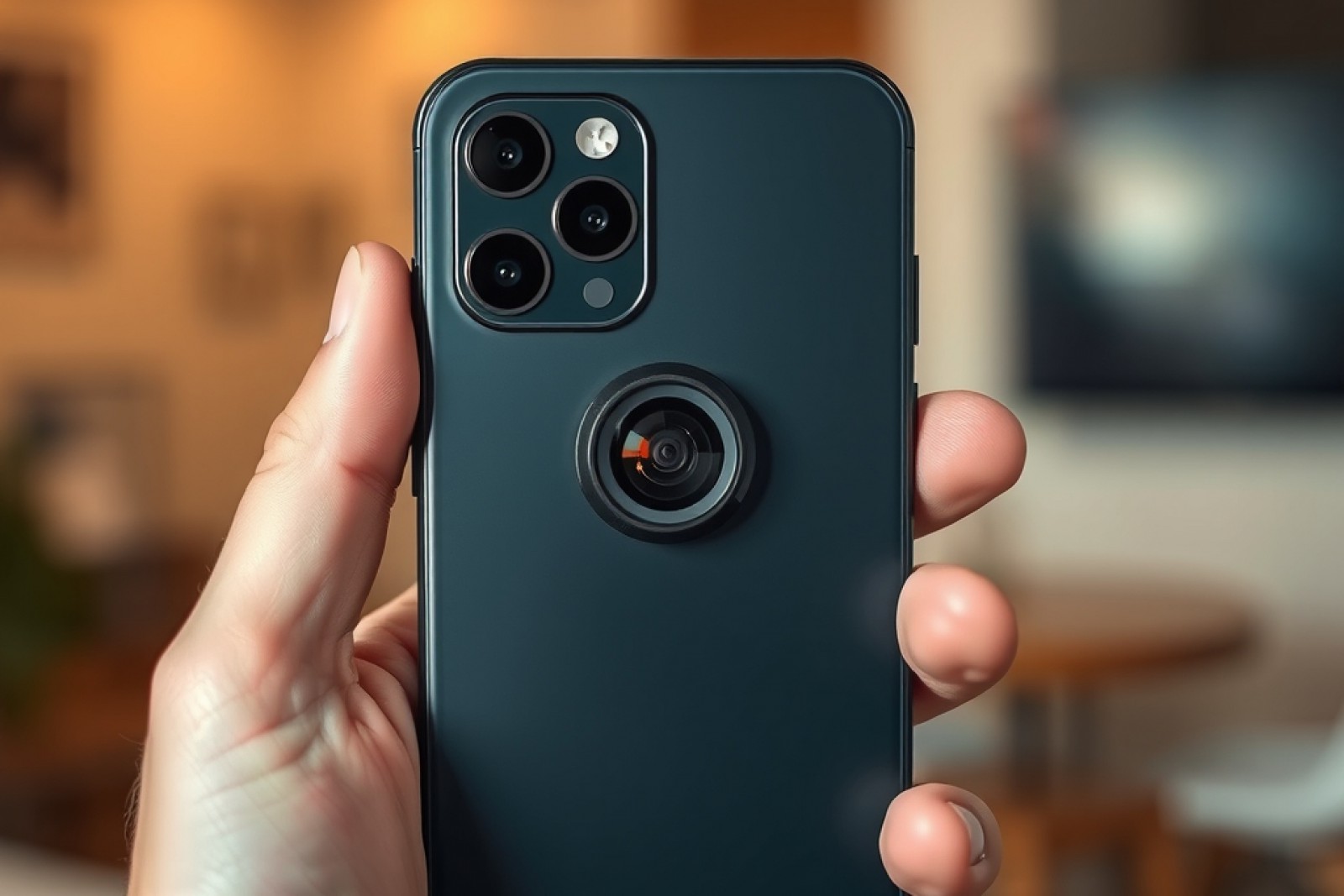
This Samsung Galaxy S26 review is written for US buyers who want a clear answer: is Samsung’s newest flagship phone worth your money? Samsung is one of Korea’s biggest global tech names, and the Galaxy S line is its showpiece. Below we break down what the phone is designed to do, how it stacks up against the Galaxy S25, and who benefits most from picking one up.
A quick note on specs: exact specifications, storage options and pricing can change by model and retailer. Always confirm the details on Samsung’s official US page or with your carrier before you buy. We focus here on what matters in everyday use rather than quoting numbers we cannot verify.
For more Korean gadgets and electronics coverage, browse our K-Tech section.
Design and Display
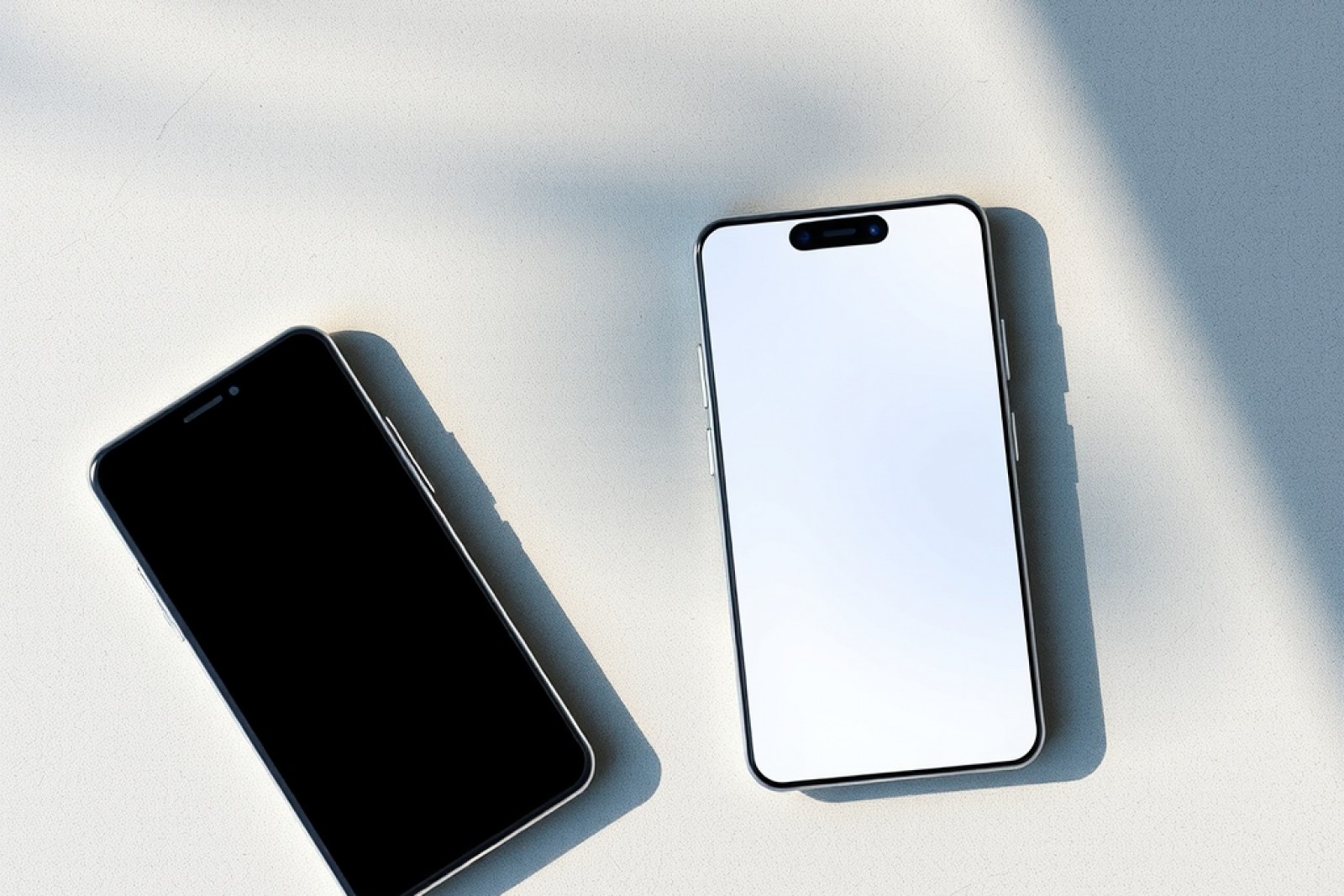
Samsung flagships have long set the bar for screens, and the Galaxy S line is known for bright, color-rich OLED displays that stay readable outdoors. Expect a slim aluminum-style frame, a premium glass back and a camera layout that continues the clean look of recent Galaxy generations.
What to check in person:
- Size and weight: hold it for a few minutes. A phone that feels great on a spec sheet can be tiring in one hand.
- Screen brightness and smoothness: scroll through social feeds and watch a K-drama clip to judge motion and color.
- Durability features: look at the water resistance rating and glass protection listed by Samsung.
Camera and AI Features
Camera quality is the main reason many people choose a Galaxy flagship. Samsung typically offers a multi-lens setup covering wide, ultrawide and telephoto shots, plus strong night photography and video stabilization. If you shoot concert footage, travel photos or food pictures, this is where a flagship earns its price.
Samsung also builds Galaxy AI tools into its recent phones, such as photo editing, live translation, note summaries and search helpers. These can be handy for K-pop fans who follow content in Korean, but features and availability can vary by region and software version, so review what is included in the US before counting on any one tool.
Tips for better results with any Galaxy camera:
- Clean the lens before every shoot.
- Use night mode for dim venues instead of heavy zoom.
- Lock focus and exposure by tapping and holding on your subject.
Battery and Performance
A new Galaxy flagship is built to handle gaming, multitasking, streaming and photo editing smoothly. Samsung phones sold in the US use top-tier mobile processors, and software updates are a selling point, as Samsung has committed to long update support on its recent flagships.
For battery life, real-world use matters more than a capacity number. Heavy camera use, 5G streaming and a bright screen will drain any phone faster. Look for independent battery tests and check the charging speed and whether a charger is included in the box, since accessories vary by model.
Galaxy S26 vs Galaxy S25
If you already own a Galaxy S25, the gap between the two is likely to be evolutionary rather than dramatic. Flagship generations usually bring improvements to the processor, camera processing, AI features and battery efficiency, while the overall design stays familiar.
- Upgrade if: your battery has aged, you want the best camera processing, or a trade-in deal drops the price sharply.
- Skip if: your S25 still runs smoothly and you rarely use new AI tools.
Comparing against Apple’s iPhone? The decision often comes down to ecosystem. Galaxy phones offer more customization, flexible multitasking and tight pairing with Samsung wearables and TVs, while iPhone fans may prefer staying within Apple’s services.
To see how earlier models were rated, read our roundup of top-rated Samsung phones on Amazon.
Galaxy S26 US Carrier Deals and Buying Tips
In the US, flagship phones are commonly discounted through carrier promotions, trade-ins and bundled storage upgrades. Offers change often, so we do not list specific figures here. Practical advice:
- Compare the unlocked price with the carrier price, including contract or bill credit terms.
- Check your current phone’s trade-in value before ordering.
- Confirm 5G band support for your carrier.
- Consider a case and screen protector in the same purchase.
Samsung is part of a bigger Korean tech story, from phones to home electronics. Explore more in our K-Tech favorites collection.
Who Should Buy the Galaxy S26
The Galaxy S26 makes the most sense for:
- Photo and video fans who want a versatile camera system for travel, concerts and daily life.
- Android users with older phones (three or more years old) who will notice big gains in speed and battery.
- Samsung ecosystem owners using Galaxy Watch, Buds or Samsung TVs and appliances.
- Korean tech enthusiasts who like to support Korea’s leading electronics innovators.
It may not be the best fit if you want the lowest price, are happy with a recent flagship, or are deeply tied to Apple services.
Final Verdict
The Galaxy S26 continues Samsung’s tradition of a polished, camera-focused flagship that suits most US buyers shopping for a premium Android phone. Verify the current specs and pricing on Samsung’s official channels, compare carrier offers, and upgrade when the deal and your needs line up. Keep following Kverse for more Korean smartphone and electronics guides.